Introduction
Every exhibitor eventually faces the same question when budgets get tight and calendars get crowded: is a portable display actually worth it, or is it a compromise you will regret on the show floor? It is a fair thing to ask. Portable displays promise lower costs, easier travel, and faster setup, but those advantages only matter if the display still helps you meet people, tell your story, and bring home leads. The honest answer is that portable displays are worth it for a great many exhibitors, as long as you choose the right system for the way you actually show up to events.
This piece walks through where portable displays shine, where they fall short, and how to decide whether one belongs in your program. The goal is to help you spend confidently rather than guess.
What Counts as a Portable Display
The term covers more ground than people assume. Retractable banner stands, tension-fabric backwalls, pop-up frames, tabletop units, and lightweight modular kits all fall under the portable umbrella. What unites them is the design intent: they break down into manageable cases, set up without tools or with very few, and travel without a dedicated freight shipment in most cases.
That definition matters because the worth of a portable display depends heavily on which type you mean. A single banner stand and a full portable modular booth serve very different purposes, even though both are technically portable. Understanding the range helps you match the format to the job rather than judging the whole category by its lightest member.
The Case for Going Portable
The most obvious benefit is cost, a factor that touches every part of your exhibition stand budget. Portable displays carry a lower upfront price than custom builds, and they keep saving money long after the purchase. Lighter weight means cheaper freight, or no freight at all when the kit checks as luggage. Tool-free assembly means fewer labor hours during move-in. For a brand attending many shows a year, those recurring savings add up to real money over a season.
Speed is the second major advantage. A portable display can often go from case to standing in under an hour, which matters when move-in windows are short and tempers run high. That same speed works in reverse at teardown, getting your team out of the hall quickly and reducing the overtime that late departures invite.
There is also a flexibility benefit that is easy to undervalue. Portable systems adapt to different booth sizes and shapes, so the same inventory can work a ten-foot inline space at one show and stretch into a larger configuration at the next. That versatility means your investment keeps working across a varied calendar rather than fitting only one kind of event.
Where Portable Displays Fall Short
Portability is a trade-off, not a free lunch. The same lightness that makes these systems easy to ship can limit how much weight they hold, which constrains heavy product displays, large monitors, or substantial storage. If your booth needs to support real physical product or elaborate built-in features, a portable kit may leave you wanting.
Differentiation is the other concern. Because portable systems are widely available, a basic setup can look a lot like the booth three aisles over. That does not doom the format, but it does mean you have to work harder on graphics, lighting, and layout to stand out. A portable display with thoughtful design beats a custom booth with lazy graphics, but an off-the-shelf kit with default everything will blend into the background.
Durability deserves a mention too. Lightweight components handle repeated travel well when they are good quality and cared for, but bargain systems wear out faster than their custom counterparts. The cheapest portable display is rarely the best value once you account for how often you will replace it.
When Portable Is Clearly the Right Call
Portable displays make the most sense for exhibitors who attend many shows, travel light, work smaller footprints, or need to deploy quickly across multiple events at once. A regional sales team running a circuit of trade shows will get enormous value from a kit they can carry and assemble themselves. A company testing a new market without committing to a large custom investment can put a credible booth on the floor for a fraction of the cost, much like the approaches in our trade show booth ideas for small budgets.
Portable systems also serve beautifully as a complement to a larger program. Many brands keep a custom island for flagship events and a portable kit for the dozens of smaller shows that fill out the year. That blended approach lets you make a statement where it counts and stay efficient everywhere else.
Getting Full Value From a Portable Investment
A portable display earns its keep when it is chosen well and handled well. Invest in quality hardware that survives repeated use, commission graphics that work as hard as the structure, and store everything properly between events so it arrives looking fresh. Cutting corners on any of these undermines the savings that drew you to portable in the first place.
It also pays to have support on the larger or more complicated deployments, even with a system designed for self-assembly. When you are running several shows in a single week, or sending kits to cities where no one from your team will be on hand, a labor and logistics partner keeps everything moving. All Exhibit Solutions provides nationwide installation, dismantle, and on-site support that turns a fleet of portable displays into a program you can actually manage from a distance.
Questions to Ask Before You Buy
The difference between a portable display that delights and one that disappoints usually traces back to a few questions asked, or skipped, before the purchase. Start with frequency: how many shows will this kit work in a year? A display used a dozen times deserves a higher-quality build than one that comes out twice, simply because the cost of failure and replacement rises with use. Honest answers here steer you toward the right tier of system rather than the cheapest one on the page.
Next, think hard about what the display has to hold and do. Will it support a large monitor, shelve real product, or stand up to a hands-on demo? Lightweight systems have weight limits, and discovering them on the show floor is an expensive way to learn. If your booth needs to carry substantial features, you either choose a sturdier portable system or accept that a custom element belongs in the mix. Either way, knowing the demands in advance prevents the disappointment of a kit that cannot do the job you bought it for.
Finally, consider who will set it up and where. A display your own team assembles at a local show is a very different proposition from one shipped to a city where no one from your company will be present. The first leans on simplicity and clear instructions; the second leans on a reliable on-site partner. Answering the who and where early shapes both the system you buy and the support you arrange around it, and it keeps move-in day calm instead of chaotic.
So, Are They Worth It?
For most exhibitors, the answer is yes, with eyes open. Portable displays are worth it when your priorities are cost, speed, and flexibility, and when you choose a system matched to the demands of your booth and the rhythm of your calendar. They are less worth it when you need to anchor a major presence with heavy features and a wholly distinctive footprint, where a custom build will serve you better.
The smartest exhibitors do not treat it as an either-or decision. They build a program that uses portable displays where they fit and custom elements where they matter, then lean on a team that can install and manage all of it without missing a beat.
Before you commit to your next portable setup, let’s pressure-test the plan together. Tell us how many shows you are running and what each one needs to accomplish, and the team at All Exhibit Solutions will help you land on a display approach that is genuinely worth the spend.
Recommended Articles
Trade Show Storage vs. On-Site Teardown: Which Is Right for Your Booth?
When the last visitor drifts away and the hall lights come up, every exhibitor faces a quiet but consequential decision: what happens to the booth now? Two paths open up. You can have the structure...

Brendan Cogbill
Turnkey Booth Rentals vs. Custom Booth Installation
It is also worth remembering that the right answer can change as your program grows. A brand that starts with turnkey rentals to test the waters may find, a few seasons in, that the frequency of its...
Brendan Cogbill
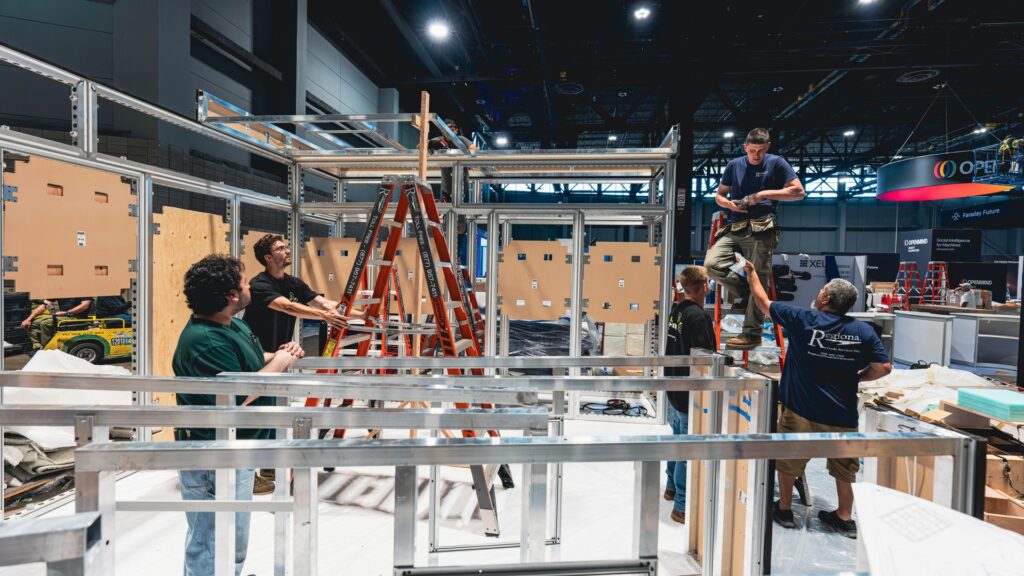
Best Ideas for Modular Exhibition Stands
Consistency is the goal, but so is freshness. A modular program that shows the exact same graphics at every event starts to feel stale to the buyers who see you repeatedly on the circuit. Planning...
Brendan Cogbill
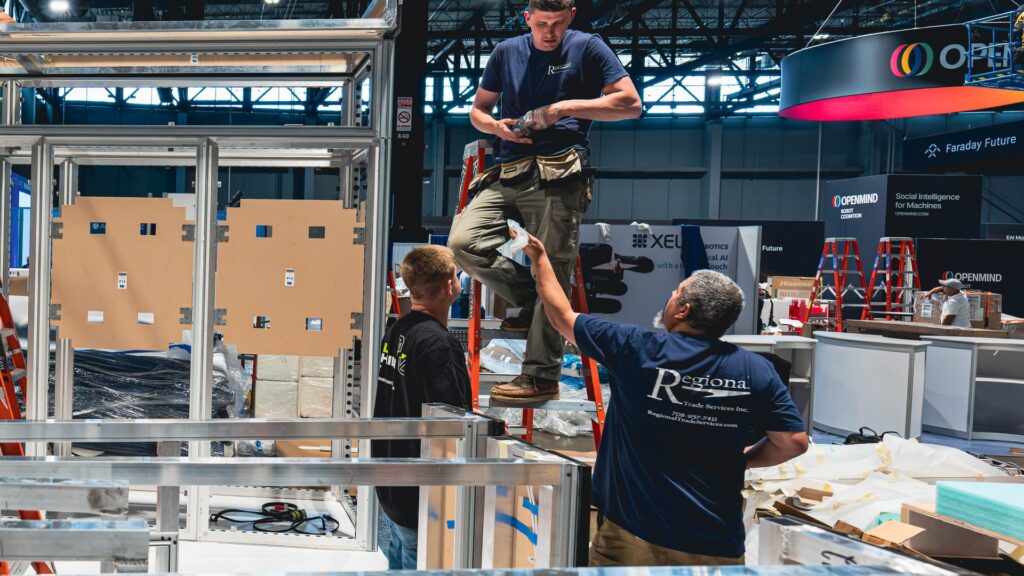
Top Meeting Pods Ideas for Trade Shows
Sightlines deserve careful thought as well. Visitors should be able to glimpse activity inside an open pod without feeling like they are intruding, because visible engagement is one of the strongest...
Brendan Cogbill
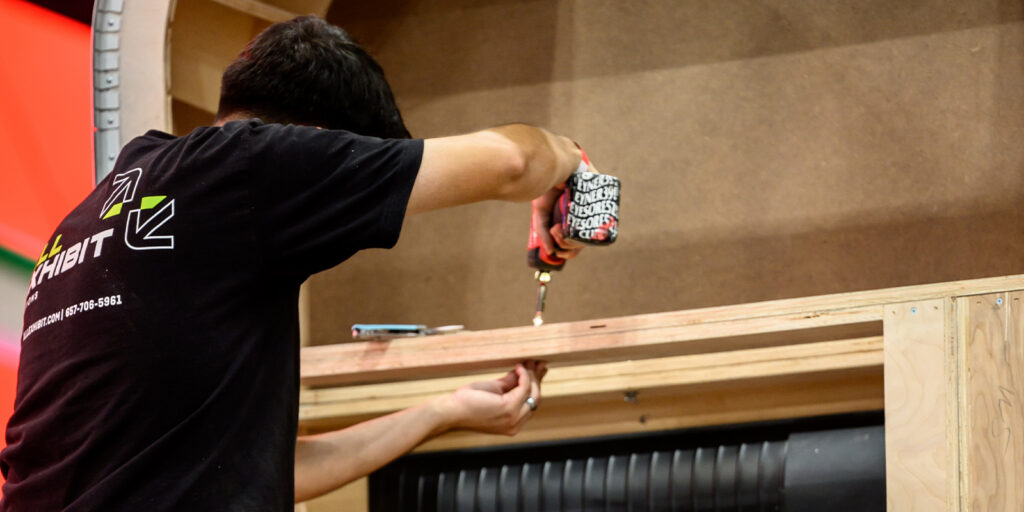
Trade Show Exhibit Fabrication Process (Start to Finish)
During this phase, creative direction is established. Whether the goal is to increase foot traffic, create an immersive product experience, or position the brand as an industry leader, every idea is...
Brendan Cogbill
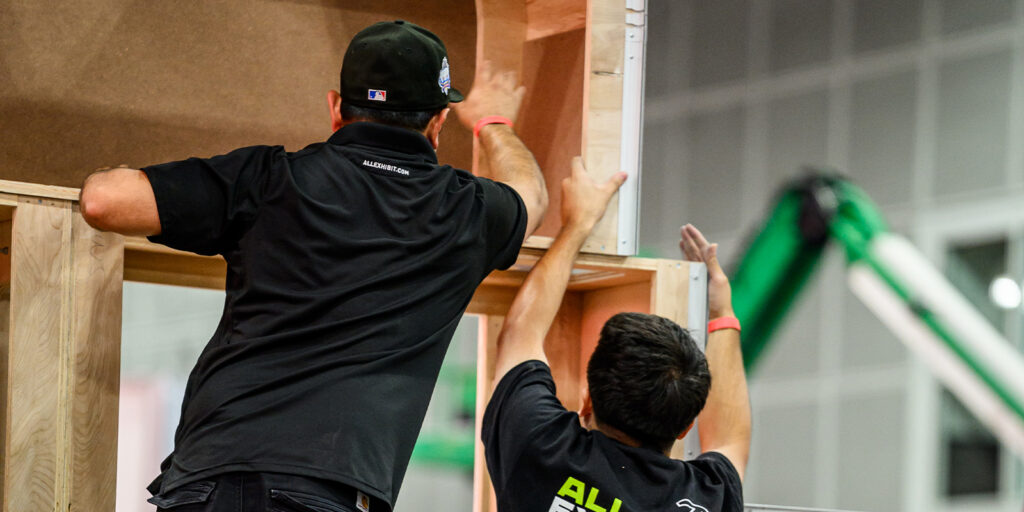
The Hidden Logistics of Trade Shows: Shipping, Storage, and Scheduling
Before the show, exhibit materials are typically stored in a warehouse. This requires secure space with the ability to prep, package, and ship items efficiently. During the show, crates and excess...
Brendan Cogbill
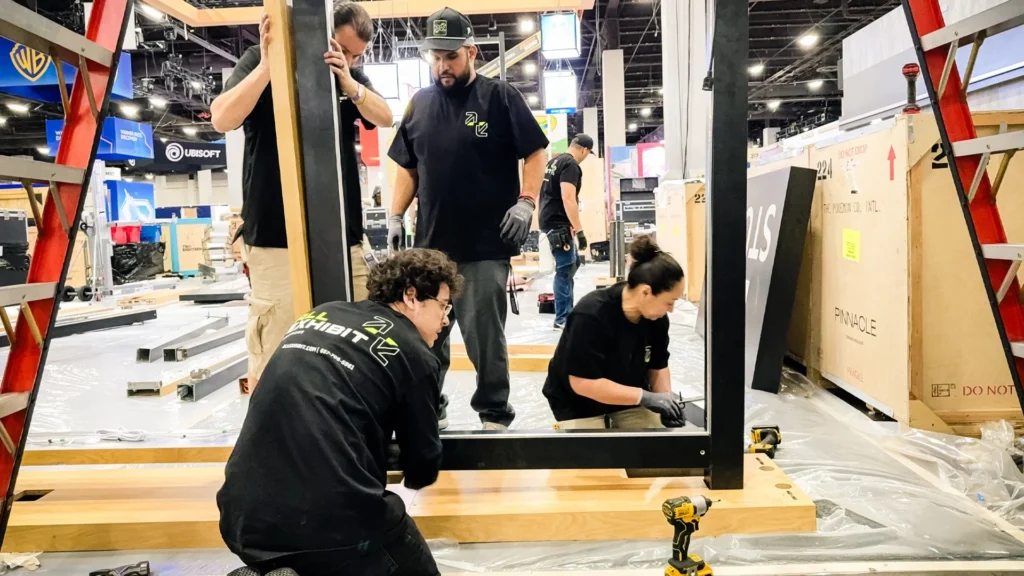
Why Professional Photography is a Must-Have for Your Trade Show Exhibit
High-quality photos turn a three-day event into a library of marketing assets. Whether it’s a close-up of custom signage, a wide shot of the booth in action, or candid photos of attendees engaging...
Brendan Cogbill
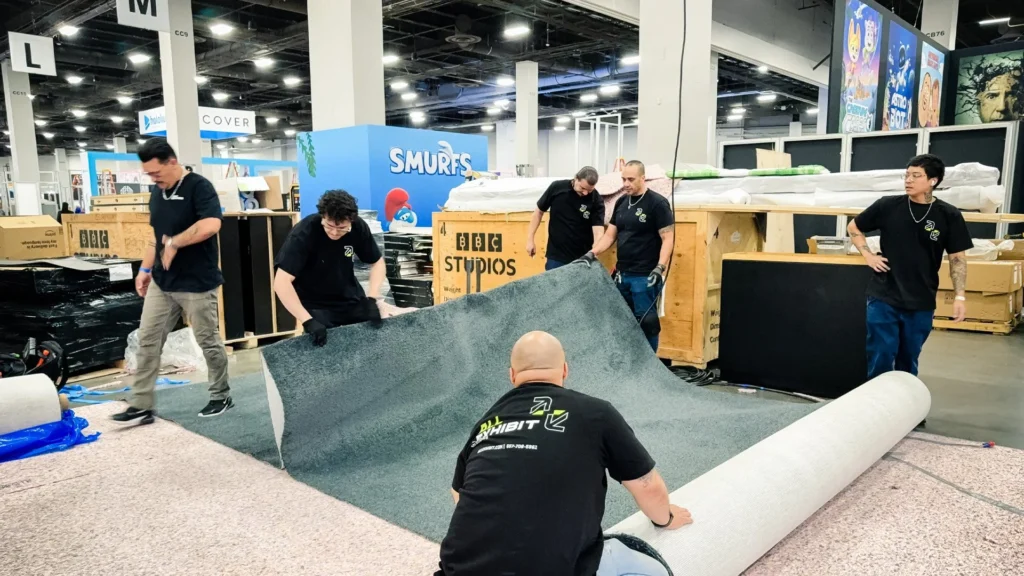
The Best Table Top Display Ideas for Trade Shows: Maximize Impact with Minimal Space
Even with the right design, how your display is installed can make or break your presentation. A crooked banner or a table runner that won’t stay in place may seem minor, but those little things...