Best Ideas for Modular Exhibition Stands

Brendan Cogbill
- Introduction
- Why Modular Stands Make Sense
- Reconfigurable Walls as the Backbone
- Towers and Hanging Elements for Height
- Integrated Storage and Functional Spaces
- Lighting That Defines the Space
- Designing for Easy Setup and Teardown
- Coordinating Graphics Across a Modular Program
- Building a Modular Program That Lasts
Introduction
Modular exhibition stands have earned their popularity the hard way, by solving real problems for exhibitors who are tired of paying for a brand-new booth every time their needs change. Built from reconfigurable components that connect and rearrange, a modular stand can shrink for a regional show, expand for a flagship event, and refresh its look without starting from scratch. For brands that exhibit regularly, that adaptability turns a one-time purchase into a long-term asset.
The best modular stands do not look modular at all. With smart design, they read as polished, intentional environments that happen to come apart and go back together in new ways. The ideas below are meant to help you get the most out of a system that, used well, can carry your brand across years of shows.
Why Modular Stands Make Sense
The financial logic is the starting point. A custom booth built for a single configuration locks you into one footprint and one look, and adapting it for a different show often means costly rework. A modular system spreads its value across many events, because the same components serve a variety of sizes and layouts. Over several seasons, that reuse adds up to significant savings, an advantage that stands out once you weigh the full exhibition stand cost picture.
There is an operational benefit too. When your crew works with the same family of components at every show, setup becomes faster and more predictable. Familiar parts mean fewer surprises on the show floor, fewer missing pieces, and a teardown that runs to schedule. Consistency in the hardware translates directly into consistency in the experience.
Reconfigurable Walls as the Backbone
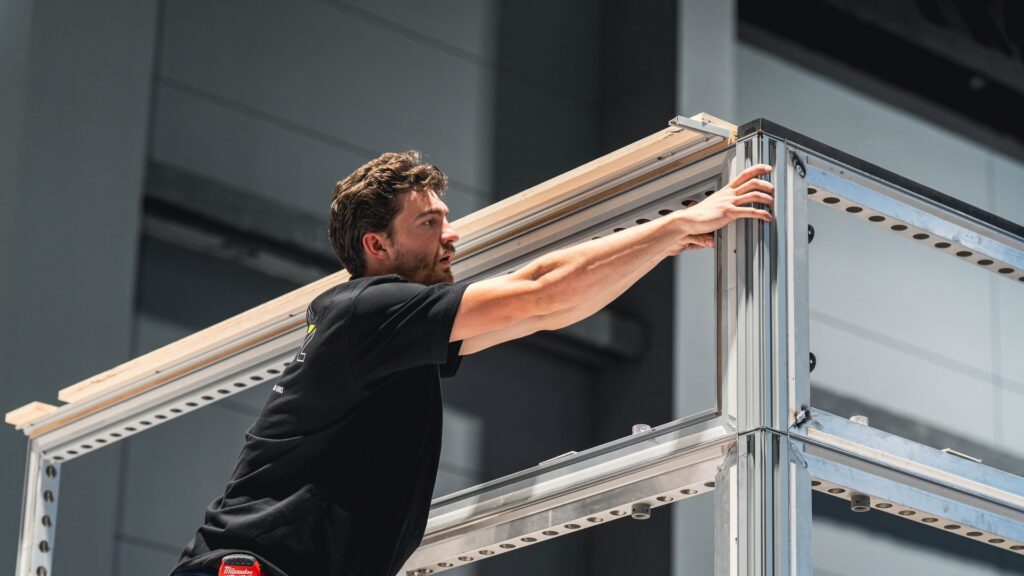
The wall system is the heart of any modular stand, and it is where thoughtful design pays the biggest dividends. Look for a system that lets you build straight runs, curves, towers, and meeting rooms from the same connectors, so a single inventory can produce dramatically different layouts. That range is what lets a ten-foot inline space evolve into a twenty-by-twenty island without buying anything new, spanning several of the common types of trade show booths.
Graphics are what keep those walls from feeling repetitive. Because modular walls typically accept interchangeable fabric or panel graphics, you can present a completely different look at each show while reusing the same structure underneath. Refreshing the message becomes a matter of swapping panels rather than rebuilding the booth, which keeps your presence current without straining the budget.
Towers and Hanging Elements for Height
Floor space draws attention, but vertical elements are what get you noticed from across the hall. Modular towers, arches, and hanging structures lift your branding above the crowd and help visitors find you in a sea of booths. A well-placed tower can serve as a landmark, giving people a reference point and a reason to walk toward you.
Hanging signs deserve special attention because they work even when your booth is mobbed. When the floor of your stand is too busy to see into, the sign overhead keeps broadcasting your name to everyone in the hall. Building hanging elements into a modular system, with rigging planned from the start, ensures these high-impact pieces install cleanly rather than becoming a last-minute scramble.
Integrated Storage and Functional Spaces
A booth has to work for the people staffing it, not just the visitors admiring it. The best modular stands build in practical spaces, a closet for coats and cases, a counter that hides supplies, a small back room for breaks and stored literature. These functional touches keep the booth tidy and give your team a place to regroup, which keeps the whole presence looking sharp through a long show day.
Designing these spaces into the modular system from the beginning is far better than improvising them on site. When storage and work areas are part of the component plan, they install as cleanly as the display walls and break down just as predictably. The result is a booth that is as comfortable to work as it is impressive to walk up to.
Lighting That Defines the Space
Lighting is one of the most underused tools in modular design, and one of the most transformative, as our roundup of trade show lighting ideas makes clear. Integrated LED fixtures can wash your graphics in even light, highlight a product display, or define zones within a larger stand. Good lighting makes colors read true under the mixed and often unflattering light of a convention hall, and it gives your booth a finished, designed quality that flat fluorescent overhead light never will.
Because modular systems are built to accept lighting as a component rather than an afterthought, you can plan illumination alongside walls and graphics from the outset. That integration keeps cables hidden and fixtures secure, which both looks better and makes installation more reliable. A booth that glows the right way pulls people in before they have read a single word.
Designing for Easy Setup and Teardown
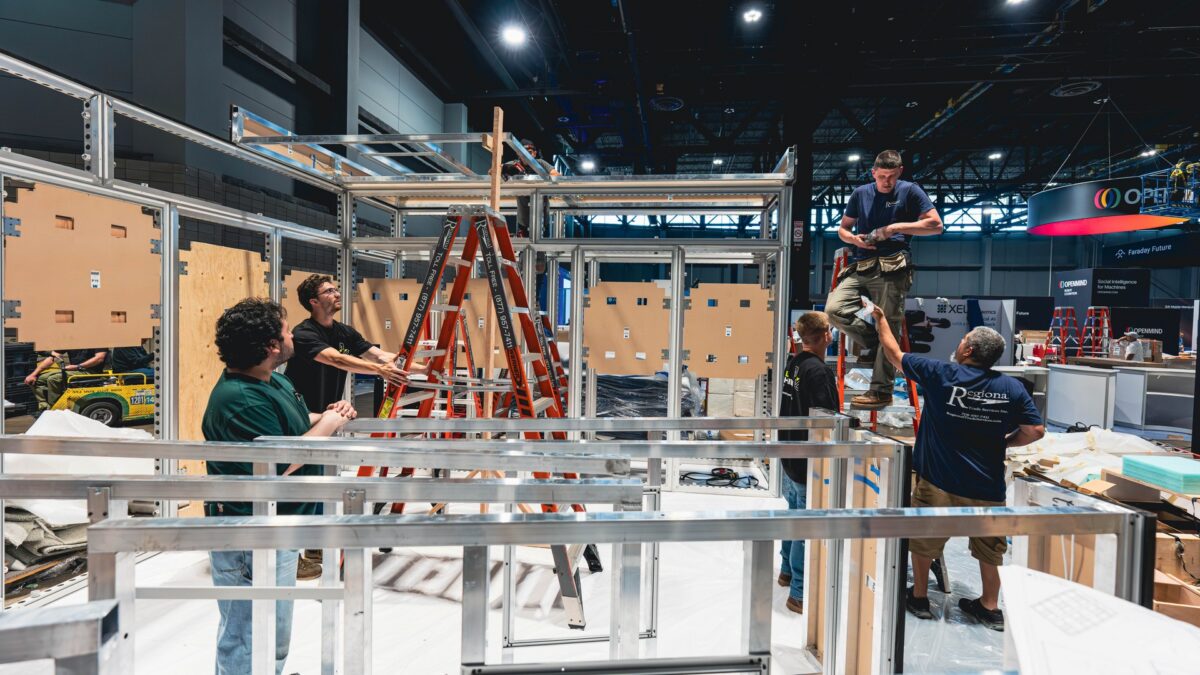
The promise of a modular stand is that it goes up and comes down efficiently, but that promise is only kept when the system is engineered for it and handled by people who understand it. Components should be clearly labeled, connections should be intuitive, and the whole kit should be packed in a logical order that mirrors the build sequence. These choices, made during design, are what turn a complicated stand into a manageable one.
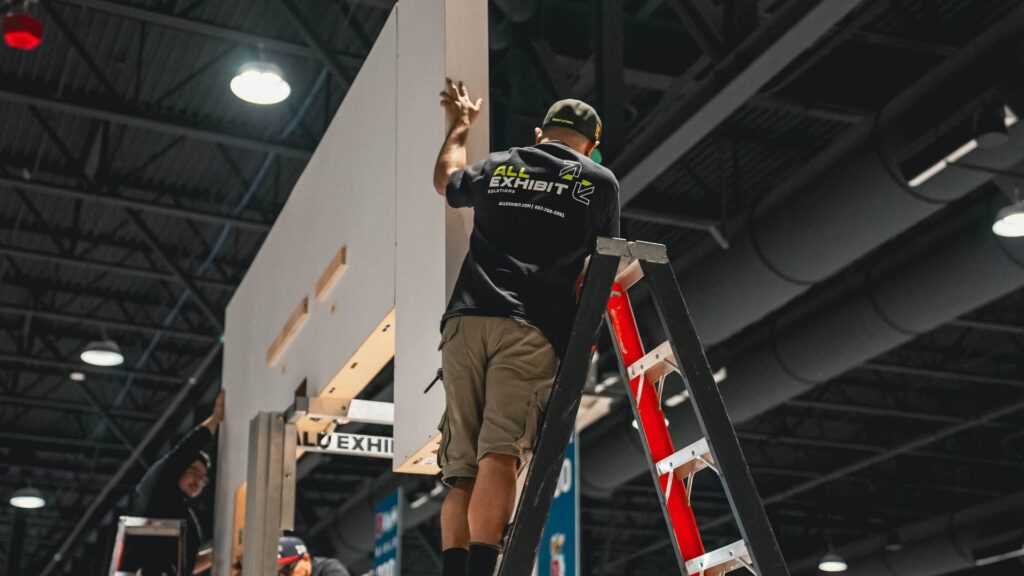
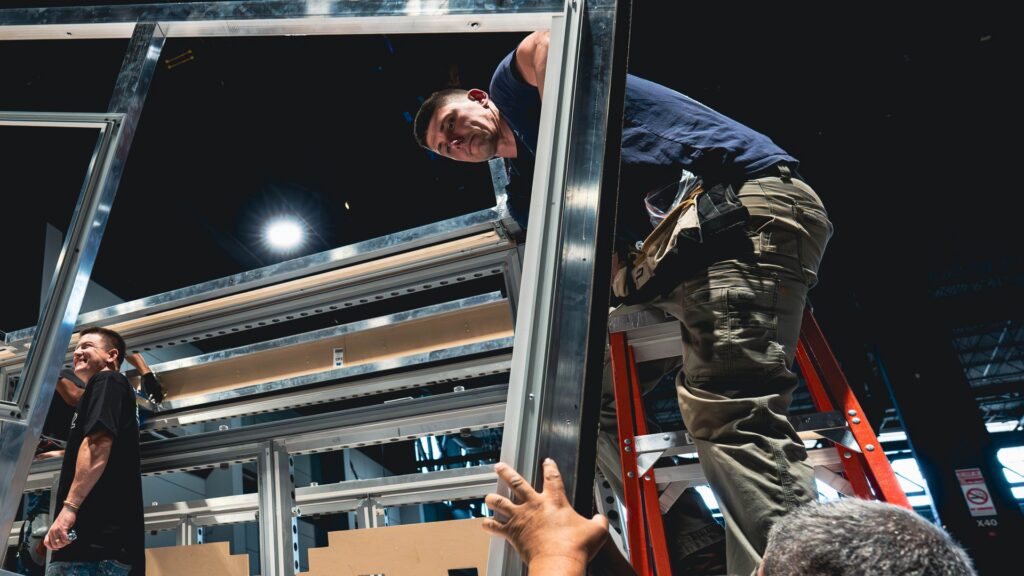
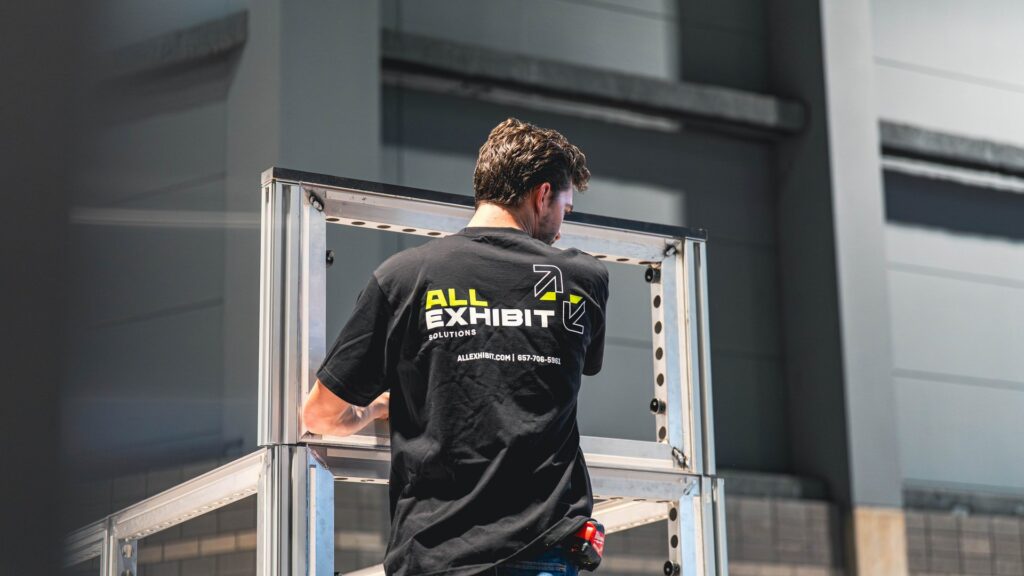
This is where an experienced labor partner becomes invaluable. Modular stands have many parts, and a crew that knows the system can assemble it quickly and correctly within a tight move-in window. All Exhibit Solutions installs and dismantles modular programs for exhibitors across the country, bringing the kind of hands-on familiarity that keeps a multi-component build on schedule and damage-free.
Coordinating Graphics Across a Modular Program
The structure of a modular stand may be the backbone, but the graphics are what visitors actually remember, and coordinating them across a program takes a bit of foresight. Because modular walls accept interchangeable panels and fabric, you can carry a single visual identity through every configuration while still tailoring the message to each show. The smartest approach is to design a graphics library rather than a one-off set, building a collection of panels that mix and match to suit different footprints and campaigns.
Consistency is the goal, but so is freshness. A modular program that shows the exact same graphics at every event starts to feel stale to the buyers who see you repeatedly on the circuit. Planning two or three graphic looks that share a common visual language lets you rotate your appearance without abandoning your brand, so regular attendees notice something new while still recognizing you instantly. Because swapping panels is far cheaper than rebuilding walls, this kind of rotation keeps your presence current at a fraction of the cost of a redesign.
It helps to think about graphics at the same time you plan the structure, not after it is built. Knowing the exact dimensions, the mounting method, and the lighting that will fall on each panel ensures the artwork lands crisp and properly framed rather than stretched or shadowed. When graphics and structure are designed together, the finished stand looks deliberate from every angle, which is exactly the impression a modular system is capable of making when it is handled with care.
Building a Modular Program That Lasts
A modular exhibition stand is a long-term commitment, so it rewards a long-term mindset. Choose quality components that survive repeated use, plan for the range of shows you actually attend, and maintain the inventory carefully between events. A system treated this way can serve your brand for years, adapting to new goals and new footprints without forcing you back to the drawing board.
The final piece is reliable execution at every event. A great modular system in the hands of an inexperienced crew can still go up poorly, while the same system handled by seasoned installers comes together beautifully every time. With well over a thousand projects to their name, the team at All Exhibit Solutions has the depth to keep a modular program performing show after show.
If a modular stand is on your radar for the coming season, let’s design a system that grows with you instead of one you outgrow. Tell us about the shows on your calendar, and we will help you plan a stand built to flex, travel, and last.
Recommended Articles
What Trade Show Labor Actually Costs and How to Estimate It
Then compare the estimate against the actual invoice afterward and keep the comparison. Two or three shows of that record turns estimating from guesswork into a reliable forecast. All Exhibit...

Brendan Cogbill
What Is an Exhibitor Appointed Contractor and When Do You Need One?
There is a cost dimension as well. Some shows charge an EAC processing fee, and a few apply a surcharge calculated against the value of the work being performed on the floor. These amounts are...
Brendan Cogbill
Trade Show Booth Rentals: Costs & What’s Included
It is worth asking how much of the rental inventory is genuinely reconfigurable, because that single answer shapes what you can do across a season. Many rental systems are modular by design, which...
Brendan Cogbill
Common Trade Show Rejection Reasons and How to Avoid Them
It is also worth separating the two kinds of no you might receive. A design rejection happens before the show, when your submitted plan conflicts with the rules, and it is the cheaper problem because...
Brendan Cogbill
Top Pop-Up Display Ideas for Your Exhibition Booth
Audience matters as much as venue size. A pop-up aimed at engineers and technical buyers can lean into detailed product imagery and a demo screen, while one built for a consumer-facing event might...
Brendan Cogbill
How to Choose a Trade Show Booth Company You Can Trust
However impressive a design looks in a rendering, it only matters if it goes up correctly, on time, and looking exactly as promised. Installation and dismantle is where every other decision is...
Brendan Cogbill
Inline vs. Island Booths: What Is an Inline Booth and Which Is Right for You?
The configuration you choose ripples straight through your budget and your build. Beyond the space rental itself, islands and peninsulas usually require more material, more complex structures, and...
Brendan Cogbill

Exhibit Management 101: Running Your Trade Show Program Like a Pro
A single trade show is a project. A year of trade shows is a program, and the difference between the two is exhibit management. When a company exhibits a few times a year, the work tends to be...