What Is an Exhibitor Appointed Contractor and When Do You Need One?

Brendan Cogbill
Introduction
Somewhere in every exhibitor manual, usually well past the page most people stop reading, sits a form about exhibitor appointed contractors. It looks like administrative filler. It is not. That single form determines whether the crew you hired is allowed through the dock door, and missing its deadline is one of the most avoidable ways to derail a move-in.
The concept itself is simple once it is explained plainly. This is what an exhibitor appointed contractor actually is, when you need to designate one, what paperwork the show will require, and how to handle the process so it never becomes the reason your booth went up late.
The Basic Definition
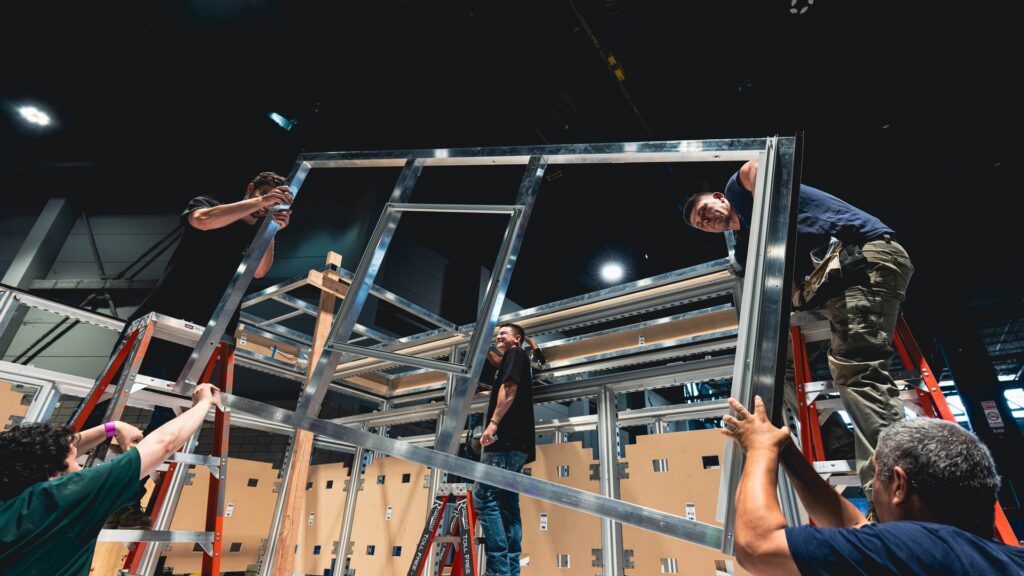
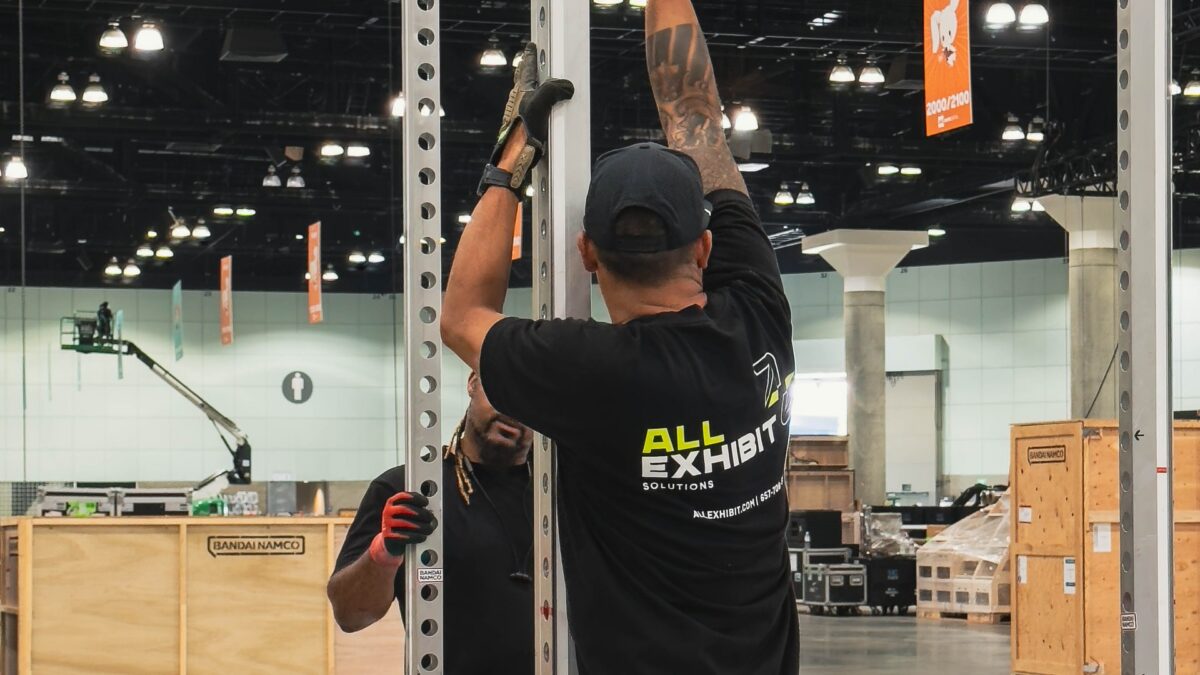
An exhibitor appointed contractor, almost always shortened to EAC, is any outside company you hire to perform work in your booth that is not the show’s official general service contractor. If you bring in your own installation and dismantle crew, your own audiovisual provider, a florist, a photographer working inside your space, or a specialty installer, each of those is typically an EAC in the show’s eyes.
The designation exists because shows need to know who is working on their floor. The general service contractor is contracted by the organizer and already vetted. Anyone else has to be identified in advance, carry appropriate insurance, and agree to follow the venue’s rules. The EAC process is how that identification happens.
When You Actually Need to File
You need to file whenever a third party will perform labor inside your booth space. Using the show’s official contractor for everything means no EAC form is required. The moment you engage an independent partner for installation, dismantle, AV, or similar work, the filing obligation applies.
Your own full-time employees generally are not EACs, because they are not an outside company. That distinction matters, and it interacts with the venue’s labor jurisdictions, which we cover in more depth in our guide to the rules that get exhibit plans flagged. Knowing which category your people fall into is the first step in knowing what to file.
What the Show Will Ask For
The requirements are consistent across most shows even when the forms look different. Expect to provide written notice naming the contractor and describing the work they will perform, and expect the contractor to supply a certificate of insurance meeting specified coverage limits. That certificate typically must name the show organizer, the general service contractor, and the venue as additional insured parties.
Some shows add further requirements: proof of workers compensation, a list of personnel who will be on site, or agreement to the venue’s safety rules. Occasionally there is a fee. The specifics live in the exhibitor manual, and they are not negotiable in the days before move-in.
It is worth noting that the EAC designation applies to the company, not to the individual task. A partner handling both your installation and your dismantle files once for that show rather than twice. But if you later add a separate specialty vendor, say a company installing a custom floor or a technician servicing a demo unit, that second firm needs its own filing even if they are only on site for an hour.
The Deadline Is the Whole Game
Every one of these requirements carries a due date, usually somewhere between thirty and sixty days before the show opens. That window exists so the organizer can verify insurance and circulate an approved contractor list to the venue and dock staff before anyone arrives.
Miss it and the consequences are immediate and physical. Your crew can be denied access to the floor, leaving you to either scramble for official labor at on-site rates or watch your booth sit in crates. The design was approved, the freight arrived, the team flew in, and the whole thing stalls on a form. It is a genuinely painful way to lose a day.
Approval is not automatic, either. Shows reserve the right to decline a contractor whose insurance falls short or who has a history of not following venue rules. In practice most legitimate firms are approved without issue, but the review is real, which is another reason to submit early enough that a correction can be made if something comes back short.
Why Insurance Certificates Take Longer Than You Think
The certificate of insurance is the piece that most often causes a late filing, because it is the piece you do not control. Your contractor has to request it from their carrier or broker with the exact wording, coverage limits, and additional insured parties the show specified. Carriers do not turn these around instantly, and a certificate with the wrong entity named gets rejected and has to be reissued.
The practical fix is to start the request the week you book the space rather than the week before the deadline. An experienced contractor will already have a template and a relationship with their broker, which is one of the quiet advantages of working with a partner who does this constantly.
There is a cost dimension as well. Some shows charge an EAC processing fee, and a few apply a surcharge calculated against the value of the work being performed on the floor. These amounts are usually modest next to the labor itself, but they belong in the budget rather than arriving as a surprise on the final settlement. Check the manual for both the fee and how it is assessed, since the structure varies more than exhibitors expect.
Common Mistakes Exhibitors Make
The most frequent error is simply assuming the contractor handles the filing. Many do, but the obligation formally sits with the exhibitor, and a polite confirmation in writing is worth far more than an assumption. The second most common error is filing for one contractor and then adding another later without updating the paperwork.
Reusing last year’s certificate is another trap, since coverage dates expire and show entities change. So is filing for the right company under the wrong show or booth number. None of these are complicated problems, but each one produces the same outcome at the dock.
Requesting the certificate early has a second benefit beyond meeting the deadline. It surfaces any gap between what your contractor carries and what the show demands while there is still time to address it. Occasionally a show requires higher limits than a smaller firm maintains, and discovering that six weeks out is a solvable problem. Discovering it six days out generally is not.
Building It Into Your Show Timeline
Treat the EAC filing as a named milestone rather than a background task. Put the deadline on the same calendar as your booth plan submission and freight targets, assign a single owner, and confirm receipt from the show rather than assuming your submission landed. A short confirmation email closes the loop.
This belongs alongside the rest of your pre-show sequencing, as laid out in our pre-show installation checklist and our approach to building a realistic install and dismantle schedule. Paperwork and logistics fail together, so they should be planned together.
Working With a Partner Who Handles It
The friction disappears almost entirely when your labor partner treats EAC compliance as part of the job. That means proactively supplying certificates in the format each show requires, tracking deadlines across your calendar, and flagging requirements you might not have noticed.
At All Exhibit Solutions, the paperwork is handled as routine rather than as something the client has to chase, because a crew that cannot get on the floor is not much use to anyone. You can read more about the All Exhibit Solutions team and the services we provide, and if you have a show coming up and are not certain what has been filed, reach out and we will check the requirements with you while there is still room to act.
Recommended Articles
What Trade Show Labor Actually Costs and How to Estimate It
Then compare the estimate against the actual invoice afterward and keep the comparison. Two or three shows of that record turns estimating from guesswork into a reliable forecast. All Exhibit...

Brendan Cogbill
Trade Show Booth Rentals: Costs & What’s Included
It is worth asking how much of the rental inventory is genuinely reconfigurable, because that single answer shapes what you can do across a season. Many rental systems are modular by design, which...
Brendan Cogbill
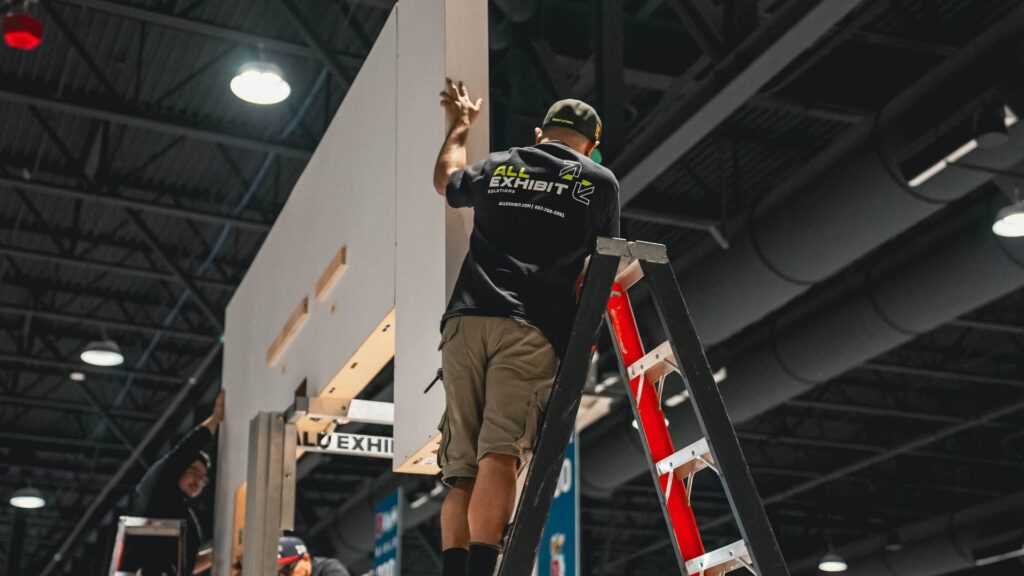
Common Trade Show Rejection Reasons and How to Avoid Them
It is also worth separating the two kinds of no you might receive. A design rejection happens before the show, when your submitted plan conflicts with the rules, and it is the cheaper problem because...
Brendan Cogbill
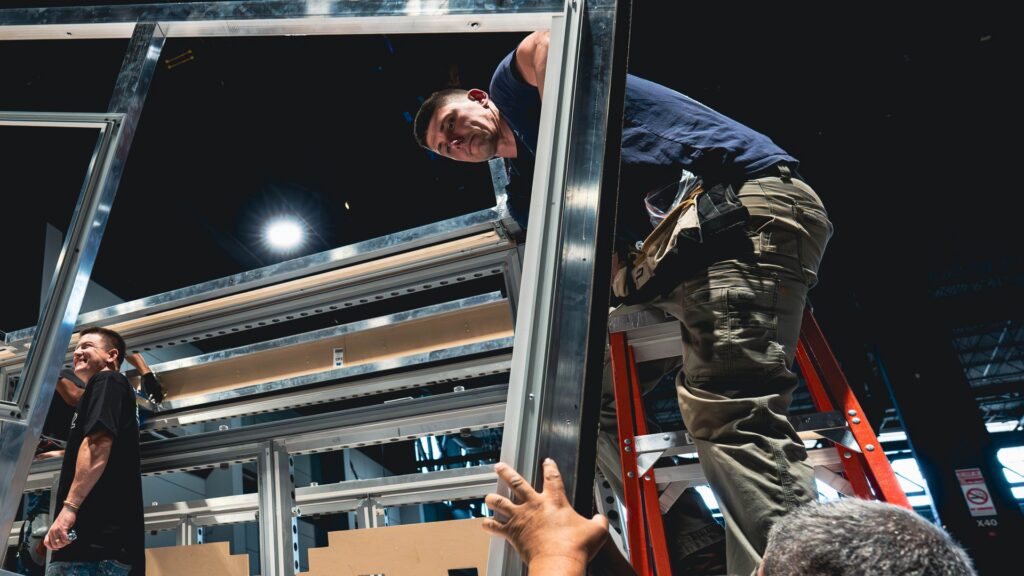
Top Pop-Up Display Ideas for Your Exhibition Booth
Audience matters as much as venue size. A pop-up aimed at engineers and technical buyers can lean into detailed product imagery and a demo screen, while one built for a consumer-facing event might...
Brendan Cogbill
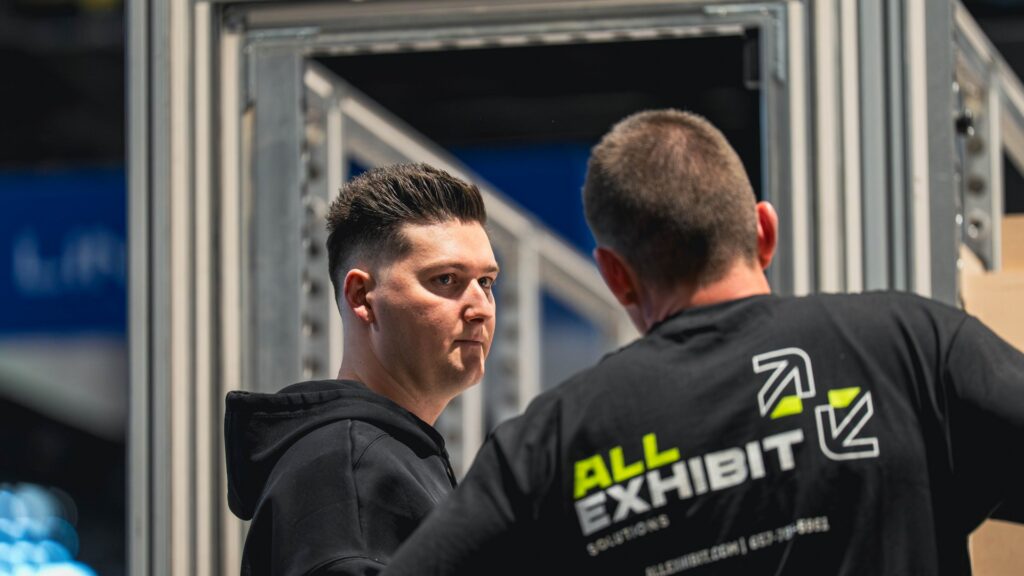
How to Choose a Trade Show Booth Company You Can Trust
However impressive a design looks in a rendering, it only matters if it goes up correctly, on time, and looking exactly as promised. Installation and dismantle is where every other decision is...
Brendan Cogbill
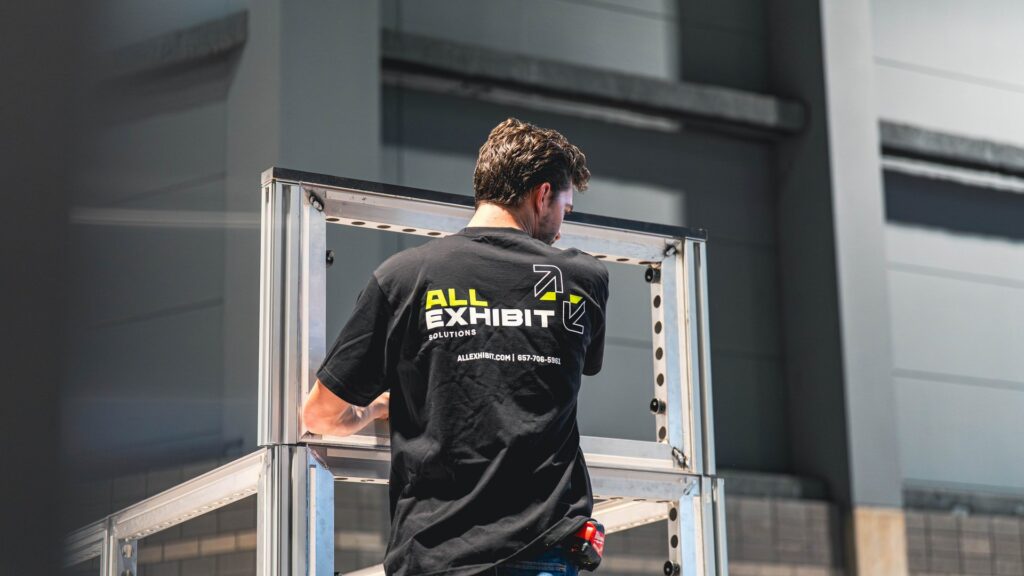
Inline vs. Island Booths: What Is an Inline Booth and Which Is Right for You?
The configuration you choose ripples straight through your budget and your build. Beyond the space rental itself, islands and peninsulas usually require more material, more complex structures, and...
Brendan Cogbill

Exhibit Management 101: Running Your Trade Show Program Like a Pro
A single trade show is a project. A year of trade shows is a program, and the difference between the two is exhibit management. When a company exhibits a few times a year, the work tends to be...
Brendan Cogbill
What Is Suitcasing at Trade Shows, and How Do You Stop It?
The deepest protection against suitcasing is not a rule; it is a presence so strong that drifting away from it feels like missing out. A well-designed, well-built, and well-staffed booth pulls...