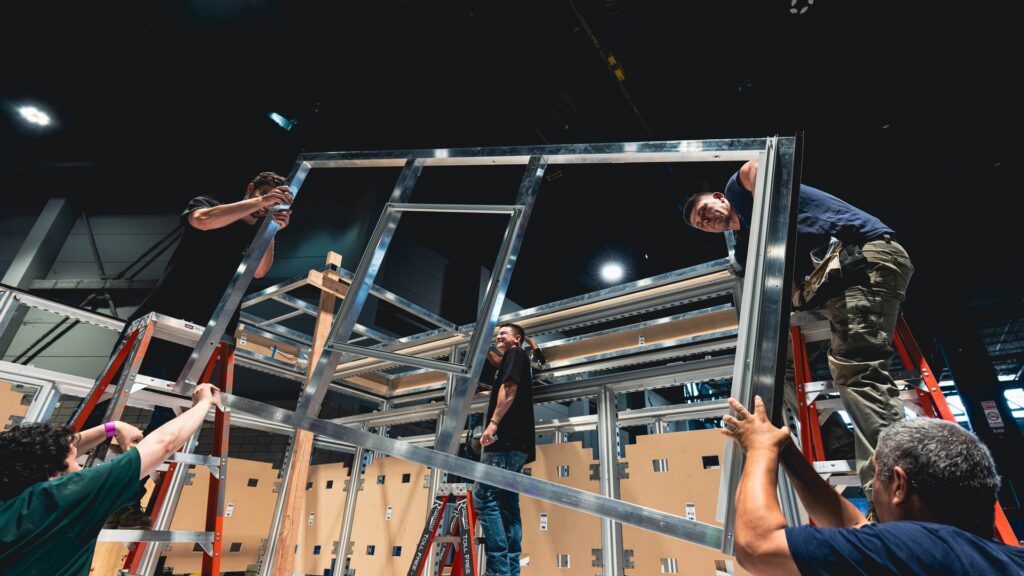
Exhibit Management 101: Running Your Trade Show Program Like a Pro

Brendan Cogbill

Introduction
A single trade show is a project. A year of trade shows is a program, and the difference between the two is exhibit management. When a company exhibits a few times a year, the work tends to be handled in bursts of last-minute scrambling, with each show treated as its own emergency. The companies that get the most out of their events take a different approach entirely, managing their exhibit presence as an ongoing program with budgets, calendars, assets, and partners that carry from one show to the next. The result is less stress, lower cost per show, and far better results on the floor.
This is a primer on exhibit management, the discipline of overseeing everything that goes into your trade show presence so it runs like a well-organized operation rather than a series of fire drills. Whether you manage two shows a year or twenty, the same principles will make your program calmer, more cost-effective, and more effective overall.
What Exhibit Management Covers
Exhibit management is the coordination of every moving part of your trade show presence. That includes the physical exhibit and its components, the show calendar and deadlines, the budget across all events, freight and logistics, labor and installation, storage between shows, graphics and content updates, and the measurement of results. It is part project management, part asset management, and part vendor management, all aimed at making sure each show goes up smoothly and contributes to a larger strategy.
The reason it matters is leverage. When these pieces are managed together rather than separately, decisions made for one show benefit the next. A booth designed for reconfiguration, freight planned in advance, and assets tracked and maintained all compound over a season. Treating each show in isolation throws that leverage away and pays for the same lessons again and again.
Build a Master Calendar and Plan Ahead
The foundation of good exhibit management is a single master calendar covering every show you plan to attend, with their dates, locations, and the deadlines that hang off each one. Exhibitor manual deadlines, early-bird pricing cutoffs, freight targets, and design lead times all need to be visible far enough in advance to act on them calmly. A program that plans months ahead captures discounts, secures better booth locations, and avoids the rush fees that quietly inflate the budget of a last-minute operation.
Planning ahead also smooths the workload across the year. When you can see the whole season at once, you can stage design updates, budget approvals, and travel logistics in a sensible order instead of confronting them all at the same frantic moment. The calendar is not just a schedule; it is the tool that turns reactive scrambling into proactive control.
Manage the Budget Like a Portfolio
Strong exhibit management treats the budget as a portfolio across all shows rather than a separate guess for each one. That means understanding the full cost of exhibiting, not just the obvious line items, and allocating spend where it returns the most. Space, design and build, freight, drayage, labor, storage, and travel all interact, and a dollar saved through smart planning in one category often funds a better outcome in another. A clear-eyed view of the numbers is what keeps a program sustainable year over year.
Because so many costs are easy to underestimate, it helps to ground your budget in how exhibit pricing actually works. Our detailed look at exhibition stand cost and the factors that drive it is a useful reference when you are building or defending a program budget, because it shows where the money really goes and where smart management can protect it.
Treat Your Booth as a Managed Asset
Your exhibit is a capital asset, and managing it like one extends its life and protects its value. That means tracking its components, keeping it properly maintained, repairing damage promptly rather than letting it accumulate, and refreshing graphics and elements as your messaging evolves. A booth that is documented, inventoried, and cared for between shows goes up faster, looks sharper, and serves you longer than one that is thrown into storage and forgotten until the next event.
Storage is a central part of this asset discipline, and it is easy to get wrong. Where and how your exhibit lives between shows directly affects its condition and your readiness, a trade-off we explore in our guide to trade show booth storage. Managed well, storage keeps the booth show-ready; managed poorly, it quietly destroys the investment.
Coordinate Logistics and Vendors
Much of exhibit management is coordination among the many parties that touch each show, including show services, freight carriers, design and build partners, and installation labor. The fewer the handoffs and the clearer the communication, the less can fall through the cracks. Many programs find that consolidating vendors, especially pairing build and labor under partners who communicate well, dramatically reduces the friction of running multiple shows a year.
Reliable installation and dismantle is the backbone of this coordination, because it is the moment when all the planning becomes a physical booth on a deadline. A dependable labor partner, such as the team behind All Exhibit Solutions, handling your installation and dismantle across every venue gives a program consistency that is hard to achieve when you are sourcing new crews city by city.
Measure, Debrief, and Improve
A managed program treats every show as a chance to learn. Define what success looks like before each event, whether that is qualified leads, meetings, demos, or brand impressions, and measure against it afterward. Just as important, debrief the operational side: what went smoothly, what caused stress, what cost more than it should have, and what you would change. Capturing these lessons while they are fresh is what turns a program into a continuously improving operation rather than one that repeats the same mistakes.
Over time, these debriefs become your competitive edge. A program that gets a little smarter after every show compounds its advantages, while one that never reflects keeps paying full price for experience it already had. The discipline of looking back is what makes looking forward pay off.
Know When to Bring in a Partner
Exhibit management is a real job, and for many companies it is more than one person can carry alongside everything else they do. There is no prize for handling every detail yourself, and there is real value in offloading the logistics and execution to specialists who do this every day. The right partner absorbs the coordination, the labor, and the on-site execution, leaving your team free to focus on strategy and on the customers you came to meet.
It also helps to put simple systems behind the program rather than carrying it all in your head. A shared tracker of shows, deadlines, and budgets, a documented inventory of your exhibit and its components, and a clear record of vendor contacts and account numbers turn a fragile, person-dependent process into something the whole team can run. These tools do not need to be elaborate; they just need to exist in one place everyone can reach, so that a single person being out of office never puts a show at risk.
Clarifying who owns what is the final piece. Decide in advance who approves the budget, who signs off on design, who manages freight, and who is the on-site decision-maker, so nothing stalls waiting on an unclear handoff. When roles are defined and the routine work is documented, exhibit management stops feeling like heroics and starts feeling like a repeatable process, which is exactly the point. The goal is a program that runs reliably whether or not any one person is in the room.
That is exactly the role All Exhibit Solutions is built to play, managing the install, dismantle, and logistics across your shows so your program runs smoothly without consuming your team. If your calendar is filling up and the operational load is growing, let’s take the heavy lifting off your plate and turn your exhibit program into something that runs like clockwork.
Recommended Articles
What Trade Show Labor Actually Costs and How to Estimate It
Then compare the estimate against the actual invoice afterward and keep the comparison. Two or three shows of that record turns estimating from guesswork into a reliable forecast. All Exhibit...

Brendan Cogbill
What Is an Exhibitor Appointed Contractor and When Do You Need One?
There is a cost dimension as well. Some shows charge an EAC processing fee, and a few apply a surcharge calculated against the value of the work being performed on the floor. These amounts are...
Brendan Cogbill
Trade Show Booth Rentals: Costs & What’s Included
It is worth asking how much of the rental inventory is genuinely reconfigurable, because that single answer shapes what you can do across a season. Many rental systems are modular by design, which...
Brendan Cogbill
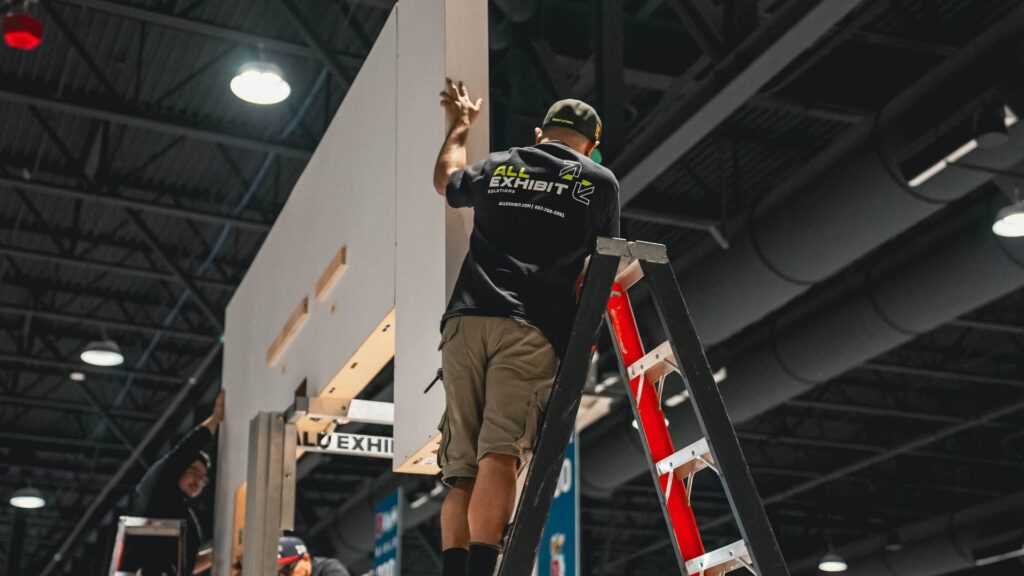
Common Trade Show Rejection Reasons and How to Avoid Them
It is also worth separating the two kinds of no you might receive. A design rejection happens before the show, when your submitted plan conflicts with the rules, and it is the cheaper problem because...
Brendan Cogbill
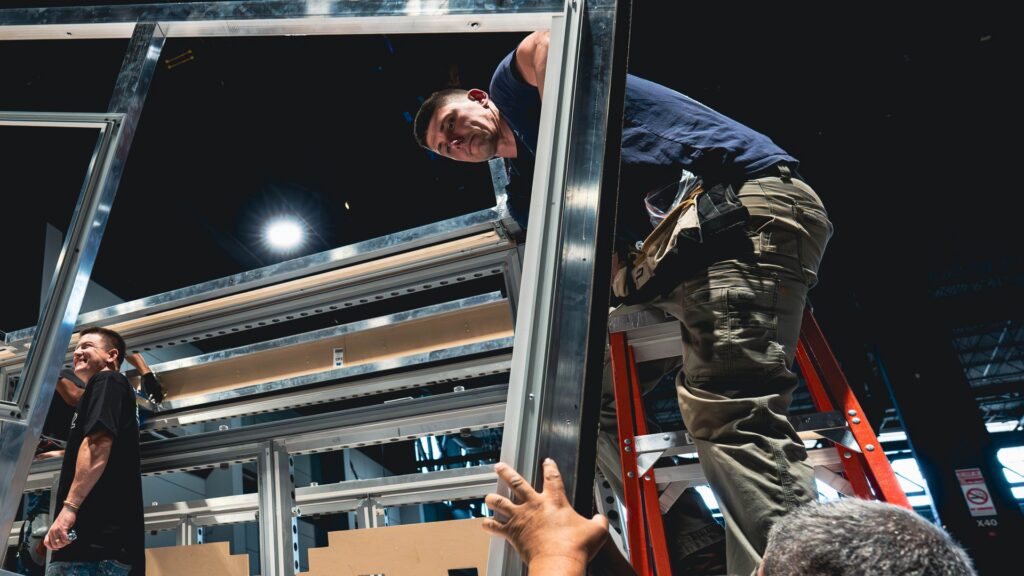
Top Pop-Up Display Ideas for Your Exhibition Booth
Audience matters as much as venue size. A pop-up aimed at engineers and technical buyers can lean into detailed product imagery and a demo screen, while one built for a consumer-facing event might...
Brendan Cogbill
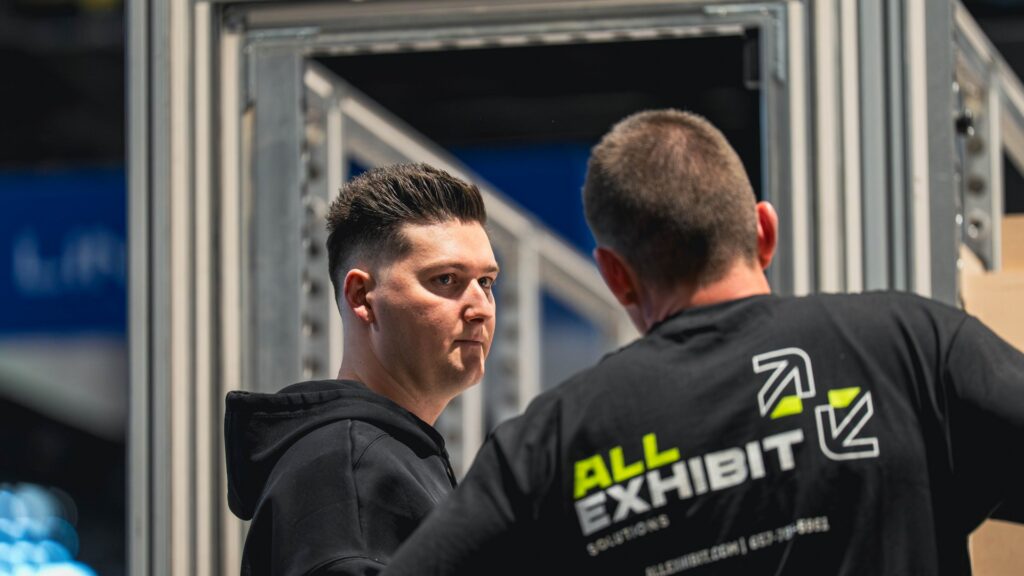
How to Choose a Trade Show Booth Company You Can Trust
However impressive a design looks in a rendering, it only matters if it goes up correctly, on time, and looking exactly as promised. Installation and dismantle is where every other decision is...
Brendan Cogbill
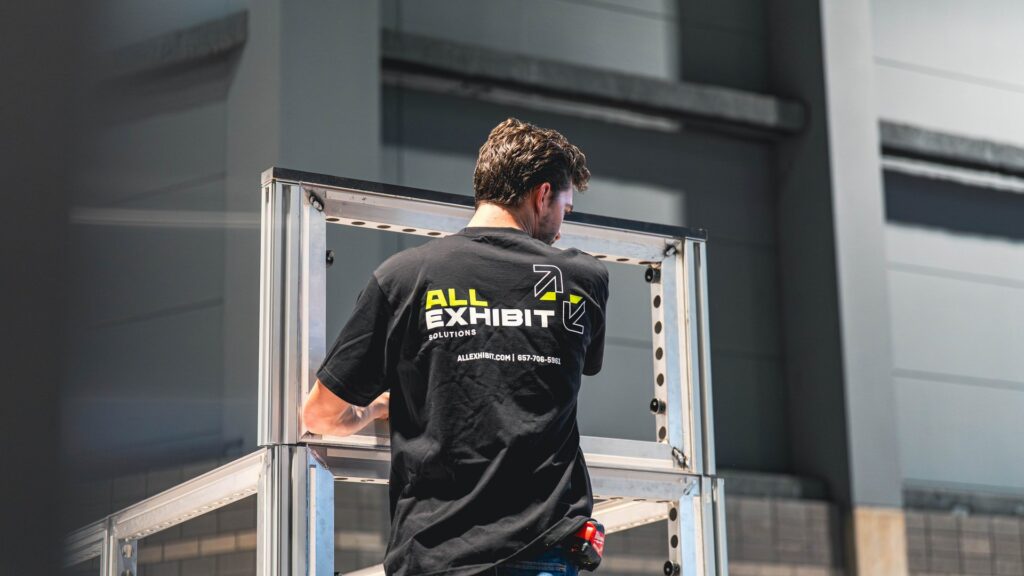
Inline vs. Island Booths: What Is an Inline Booth and Which Is Right for You?
The configuration you choose ripples straight through your budget and your build. Beyond the space rental itself, islands and peninsulas usually require more material, more complex structures, and...
Brendan Cogbill
What Is Suitcasing at Trade Shows, and How Do You Stop It?
The deepest protection against suitcasing is not a rule; it is a presence so strong that drifting away from it feels like missing out. A well-designed, well-built, and well-staffed booth pulls...