Trade Show Booth Rentals: Costs & What’s Included

Brendan Cogbill
Introduction
Renting an exhibit is one of the most practical decisions a marketing team can make, and one of the hardest to price. Two quotes for what looks like the same booth can differ dramatically, and the reason is rarely the structure itself. It is what each quote quietly includes or leaves out. Understanding how trade show booth rentals are actually priced turns a confusing set of numbers into a decision you can defend.
This is a plain look at what a rental typically covers, what drives the cost up or down, and which line items tend to land on a separate invoice. Whether you are exhibiting for the first time or rethinking a program that has grown expensive, knowing where the money goes is the difference between a budget that holds and one that quietly doubles.
What a Booth Rental Actually Covers
At its core, a rental gives you the physical exhibit for the duration of one show: the frame or structure, wall panels, and usually the basic finishes that make it look complete. From there, packages expand. Many rentals include graphics production, flooring, lighting, and furniture such as counters, stools, and literature stands, either bundled into the price or offered as add-ons.
The appeal is straightforward. You get a professional presence without buying an asset you then have to store, maintain, refurbish, and ship for years. For companies exhibiting a few times a year, or entering a new market where the right booth size is still an open question, renting removes a large capital commitment along with most of the long-term upkeep.
Turnkey Packages vs. Structure-Only Rentals
The biggest fork in the road is whether you are buying a turnkey package or just the hardware. A turnkey rental bundles the pieces that would otherwise be separate projects: design work, graphic production, installation and dismantle labor, shipping, and often storage and handling between shows. A structure-only rental hands you the exhibit and leaves the rest to you.
Neither is automatically better. Turnkey costs more upfront and buys back time, coordination, and a single point of accountability. Structure-only can be cheaper on paper if you already have reliable labor and freight arrangements, and more expensive in practice if you do not. We compare the trade-offs in detail in our look at turnkey booth rentals vs. custom booth installation.
What Actually Drives the Cost
Size is the first and largest factor. Pricing scales with square footage, and the jump from a ten-by-ten inline space to a twenty-by-twenty island changes not just the structure but the labor hours, freight weight, and coordination behind it. Beyond size, the level of customization matters: a stock rental configuration costs meaningfully less than one modified with custom millwork, unusual finishes, or a bespoke layout.
After that, the variables stack up quickly. Large-format and backlit graphics, integrated AV and screens, specialty lighting, and premium flooring each add real cost. So does geography, since labor rates and material handling vary widely between cities and venues, and so does the length of the show. Our detailed breakdown of what drives exhibition stand cost is worth reading alongside any quote you are evaluating, because the same factors apply whether you rent or build.
The Costs That Are Usually Separate
This is where budgets get ambushed. The booth space itself is almost always purchased directly from show management and is not part of a rental quote. Material handling, commonly called drayage, is billed by the show’s general contractor based on weight, and it is one of the most underestimated line items in the entire industry.
Utilities and services are typically separate as well: electrical, internet, plumbing if you need it, booth cleaning, and rigging for anything hanging overhead. Add travel and staffing for your own team, plus any lead-capture technology the show sells, and you can see how a quote that looked complete grows once the real total comes together. Ask any vendor directly which of these sit inside their number and which do not.
It is worth asking how much of the rental inventory is genuinely reconfigurable, because that single answer shapes what you can do across a season. Many rental systems are modular by design, which means the same components can be arranged as a ten-by-twenty at one show and a smaller inline space at the next, with only the graphics changing. If your show calendar includes different booth sizes, a modular rental line can cover all of them without paying for separate exhibits, and it gives you room to scale up without starting the design conversation over.
When Renting Beats Buying
Renting tends to win when your show schedule is light or irregular, when you are testing a new market or a larger footprint before committing, or when your booth needs to look different from event to event. It also wins when storage and maintenance would otherwise fall to a team that does not have the bandwidth for them.
Buying starts to make sense when you exhibit frequently enough that repeated rental fees approach the cost of ownership, when brand consistency across many shows matters, or when your exhibit needs highly specific features that stock inventory cannot deliver. If you do own, how the exhibit is kept between events becomes central to its value, which is exactly what our guide to trade show booth storage addresses.
How to Get a Quote You Can Trust
The most useful thing you can do is make quotes comparable. Give every vendor the same brief: booth size and configuration, the show and city, your dates, what you need the space to do, and whether you want labor, freight, and graphics included. Then ask each one to state plainly what is excluded. A vendor who answers that question clearly is showing you how they will communicate when something goes sideways on site.
Be wary of a number that comes in far below the rest. It usually signals that meaningful pieces have been left out, and the difference tends to reappear later as change orders and on-site charges. The most accurate quote is often the one that names its own exclusions without being asked twice.
Making the Rental Perform on Show Day
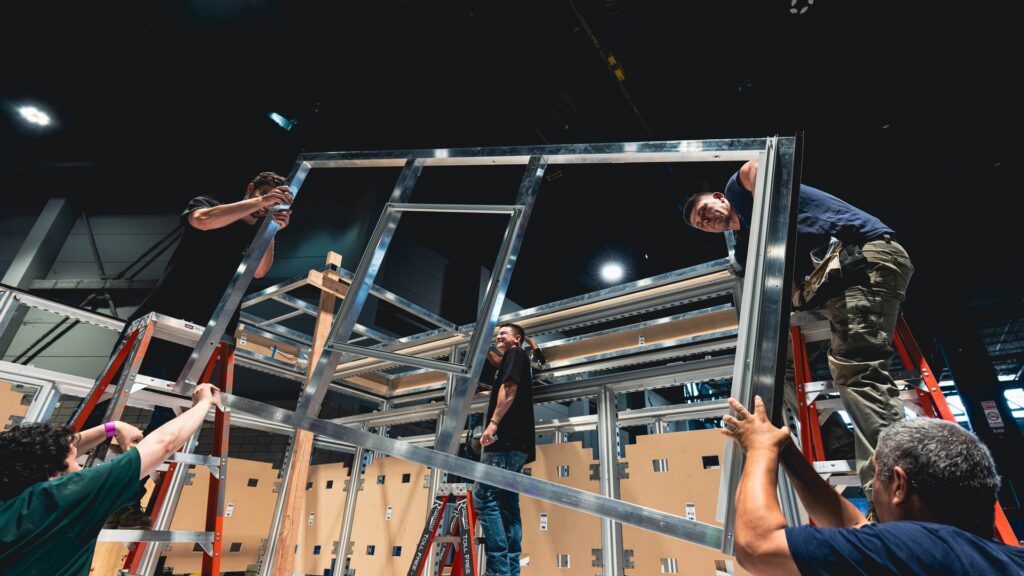
A rental only pays off if it goes up correctly and on time. Installation is where the design becomes real, and it is the stage most likely to be underestimated. Crew size, sequencing, and the move-in window all shape whether the booth is finished and tested the night before doors open or still coming together as the first visitors arrive. All Exhibit Solutions handles installation and dismantle for rented and owned exhibits alike, so the structure you paid for looks the way it was meant to look.
Rentals reward clear thinking more than big budgets. Define what the booth needs to accomplish, insist on quotes that spell out inclusions and exclusions, and plan the labor and freight as carefully as the design. You can read more about the All Exhibit Solutions team and the services we provide, and when you are ready to compare options for your next show, reach out and we will get a straight answer on your numbers before you commit.
Frequently asked questions
What is included in a trade show booth rental?
At minimum the physical exhibit for the run of one show: frame or structure, wall panels and basic finishes. Packages expand from there to include graphics, lighting, flooring, furniture and sometimes install labour, which is why two quotes for the same booth can look very different.
What is the difference between a turnkey and a structure-only rental?
Turnkey bundles the extras – graphics, lighting, flooring, furniture and often labour – into one price. Structure-only gives you the frame and panels and leaves everything else to source separately. Turnkey is simpler to budget; structure-only can be cheaper if you already own graphics.
Which trade show costs are usually separate from the rental price?
Typically drayage, install and dismantle labour, electrical, internet, shipping and show services. These land on separate invoices from the general contractor and the venue, and together they often cost more than the rental itself.
Recommended Articles
What Trade Show Labor Actually Costs and How to Estimate It
Then compare the estimate against the actual invoice afterward and keep the comparison. Two or three shows of that record turns estimating from guesswork into a reliable forecast. All Exhibit...

Brendan Cogbill
What Is an Exhibitor Appointed Contractor and When Do You Need One?
There is a cost dimension as well. Some shows charge an EAC processing fee, and a few apply a surcharge calculated against the value of the work being performed on the floor. These amounts are...
Brendan Cogbill
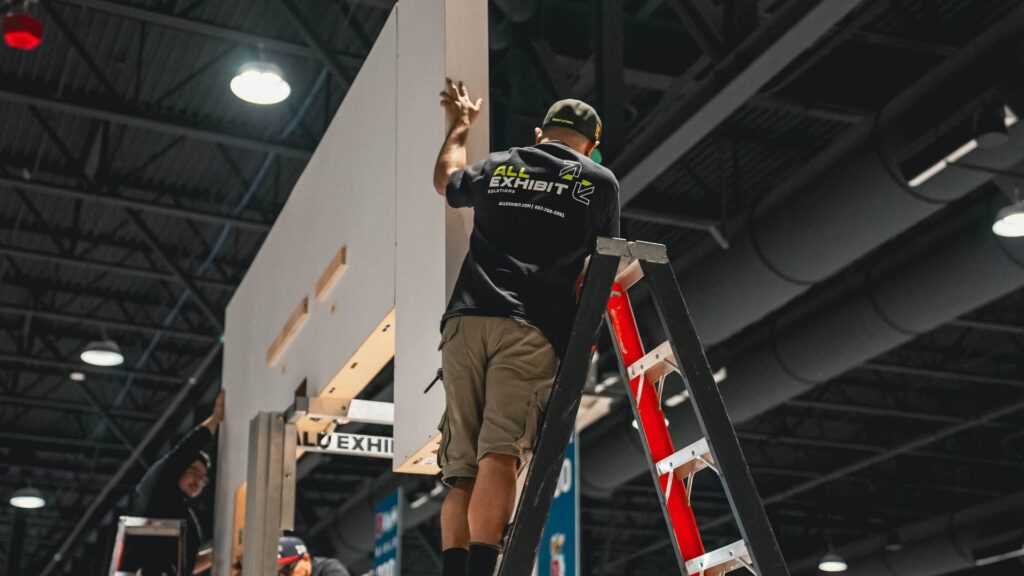
Common Trade Show Rejection Reasons and How to Avoid Them
It is also worth separating the two kinds of no you might receive. A design rejection happens before the show, when your submitted plan conflicts with the rules, and it is the cheaper problem because...
Brendan Cogbill
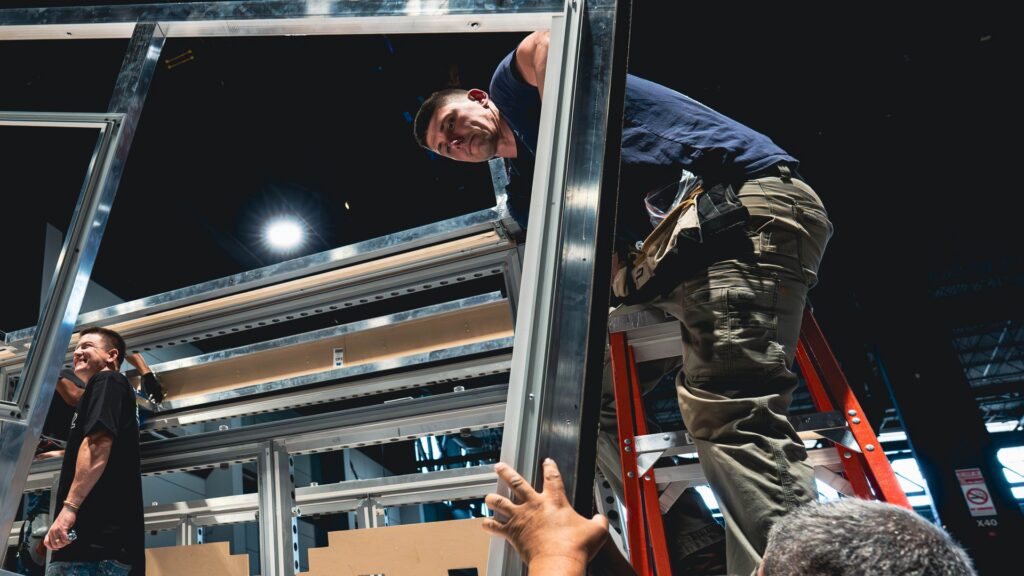
Top Pop-Up Display Ideas for Your Exhibition Booth
Audience matters as much as venue size. A pop-up aimed at engineers and technical buyers can lean into detailed product imagery and a demo screen, while one built for a consumer-facing event might...
Brendan Cogbill
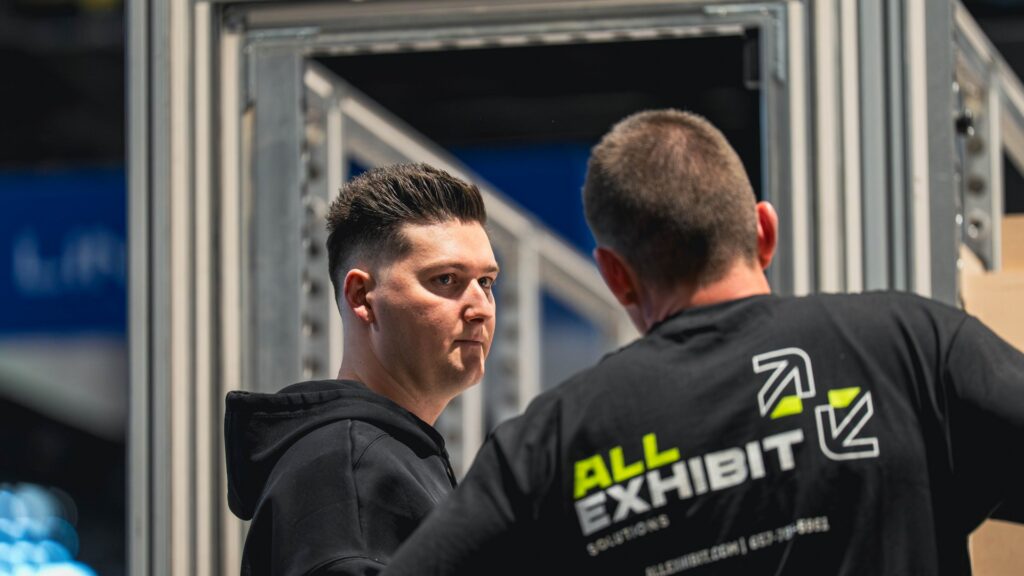
How to Choose a Trade Show Booth Company You Can Trust
However impressive a design looks in a rendering, it only matters if it goes up correctly, on time, and looking exactly as promised. Installation and dismantle is where every other decision is...
Brendan Cogbill
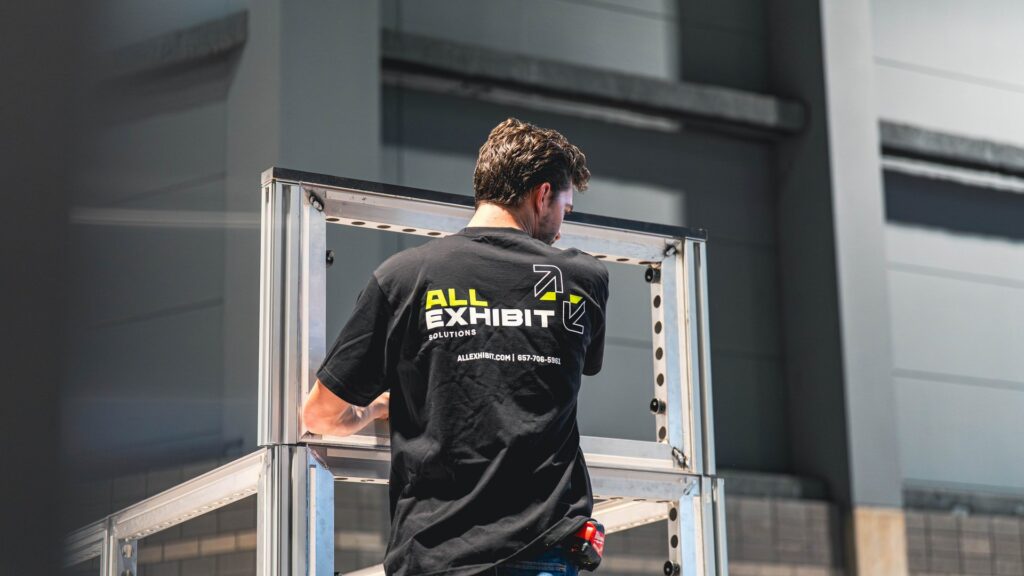
Inline vs. Island Booths: What Is an Inline Booth and Which Is Right for You?
The configuration you choose ripples straight through your budget and your build. Beyond the space rental itself, islands and peninsulas usually require more material, more complex structures, and...
Brendan Cogbill

Exhibit Management 101: Running Your Trade Show Program Like a Pro
A single trade show is a project. A year of trade shows is a program, and the difference between the two is exhibit management. When a company exhibits a few times a year, the work tends to be...
Brendan Cogbill
What Is Suitcasing at Trade Shows, and How Do You Stop It?
The deepest protection against suitcasing is not a rule; it is a presence so strong that drifting away from it feels like missing out. A well-designed, well-built, and well-staffed booth pulls...