Introduction
Trade shows are one of the most powerful marketing tools available to businesses, offering unmatched opportunities for networking, brand exposure, and lead generation. However, without careful planning and budgeting, the costs associated with participating in trade shows can quickly add up. To maximize return on investment (ROI) and avoid unexpected expenses, businesses need to develop a comprehensive trade show budget. This guide will walk you through the critical elements to consider, ensuring you cover all aspects from booth installation and dismantlement to staffing and logistics. By partnering with All Exhibit Solutions, businesses can streamline their trade show experience and ensure every installation and dismantlement is taken care of with expertise.
Booth Space Costs
Booth space is often the largest expense in a trade show budget. Securing the right location and size can significantly impact the overall success of your exhibit.
Trade show organizers typically offer booth spaces at varying prices depending on factors such as booth size, location on the floor, and proximity to high-traffic areas. Prime spots near entrances, lounges, or main walkways generally command higher fees. Early registration often provides cost benefits, as organizers may offer discounts for businesses that commit well in advance.
To optimize your budget, evaluate the expected foot traffic and visibility of different booth locations. While it might be tempting to go for the most prominent spot, a well-designed booth in a slightly less expensive area can still draw substantial attention. Striking a balance between cost and visibility is key to making the most of your trade show investment.
Booth Design and Fabrication
The design and fabrication of your trade show booth play a crucial role in attracting visitors and communicating your brand message. Booths can range from simple pop-up displays to elaborate custom-built structures, and costs will vary accordingly.
Custom booths are often the most effective at standing out, but they can also be expensive. Modular or reusable booth designs are cost-efficient alternatives, allowing businesses to repurpose the same structure across multiple trade shows with minor adjustments. This not only reduces fabrication costs but also minimizes waste, contributing to more sustainable trade show practices.
When budgeting for booth design, factor in the cost of materials, graphics, lighting, and interactive elements. High-quality materials may require a larger upfront investment but can enhance the durability and overall appearance of the booth, saving money in the long run.
Installation and Dismantlement
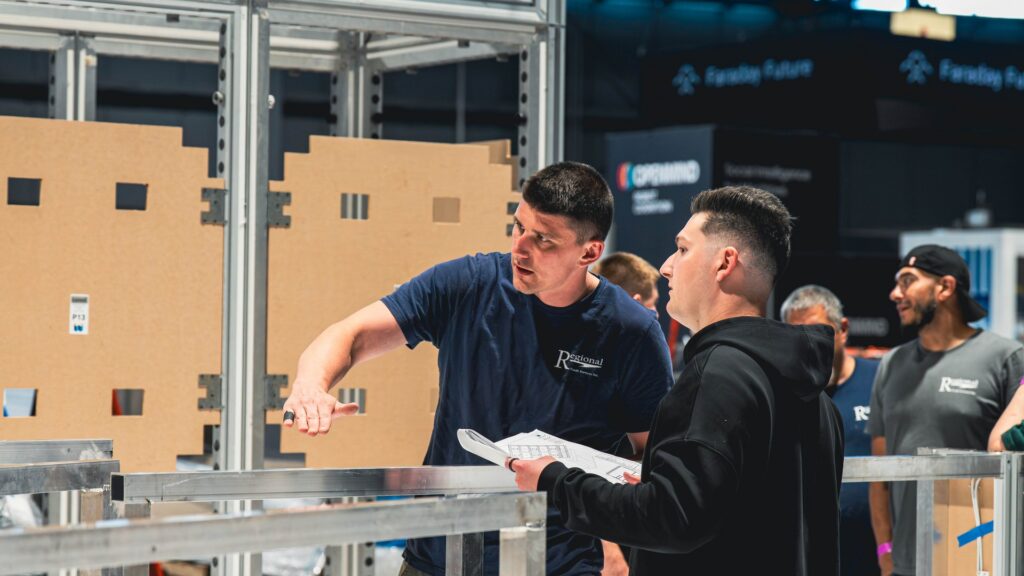
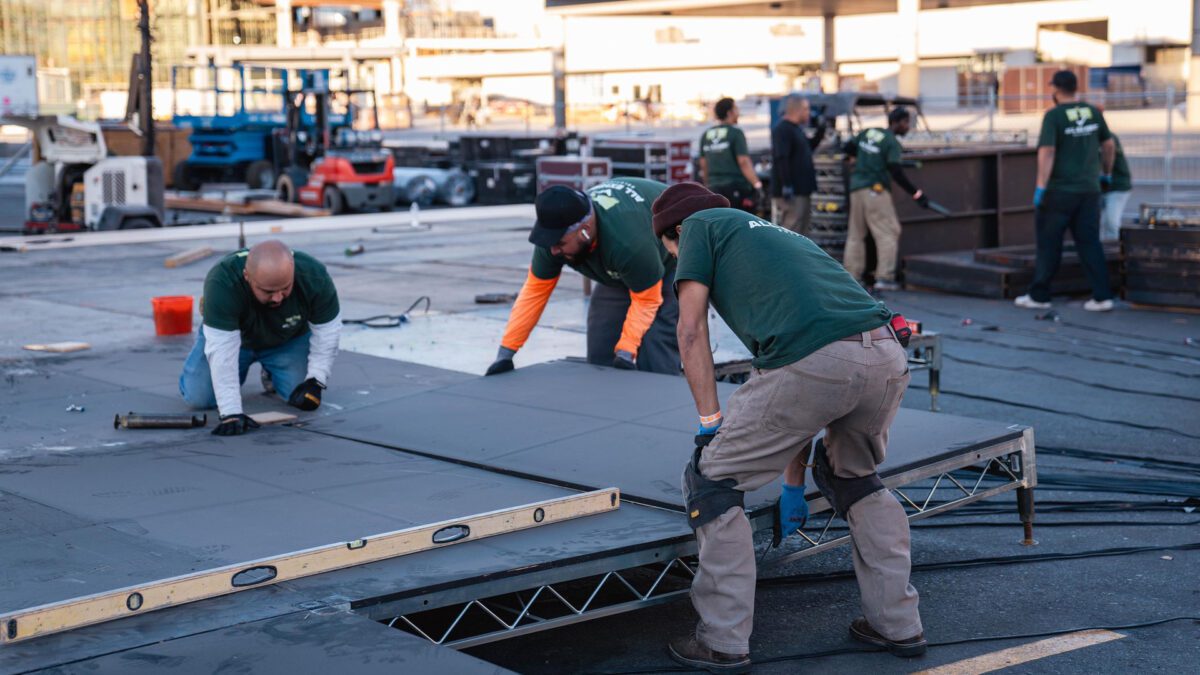
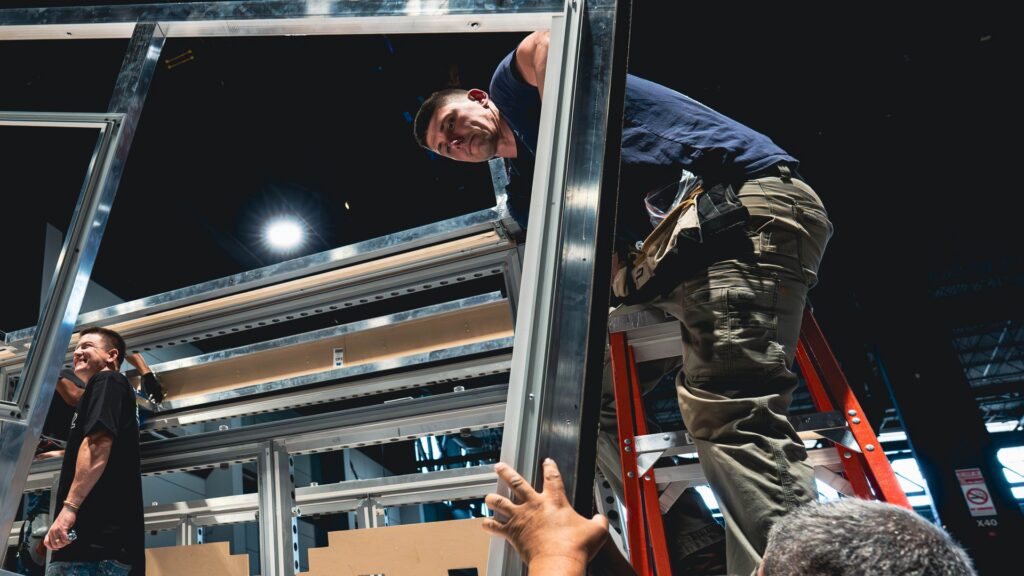
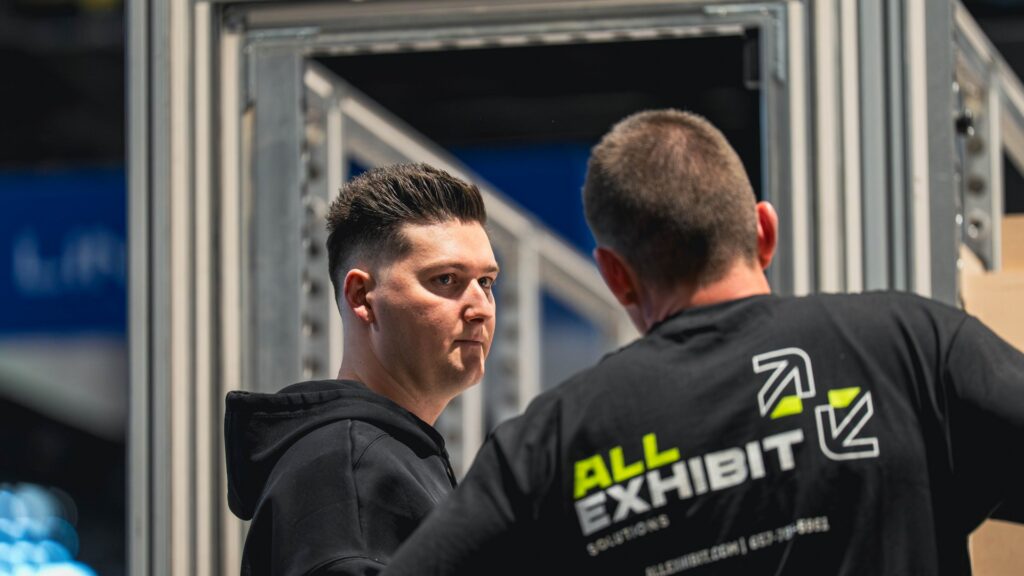
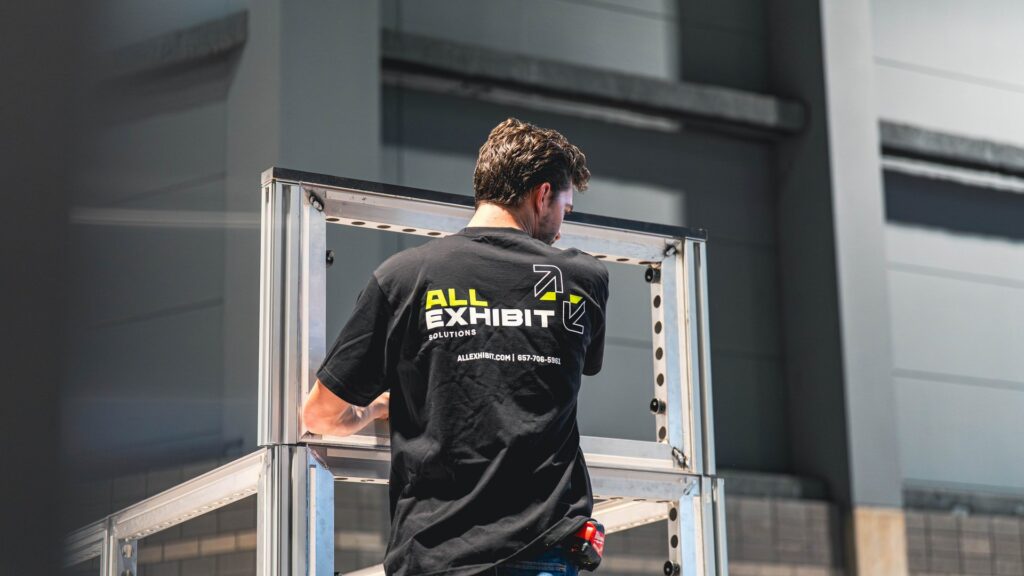
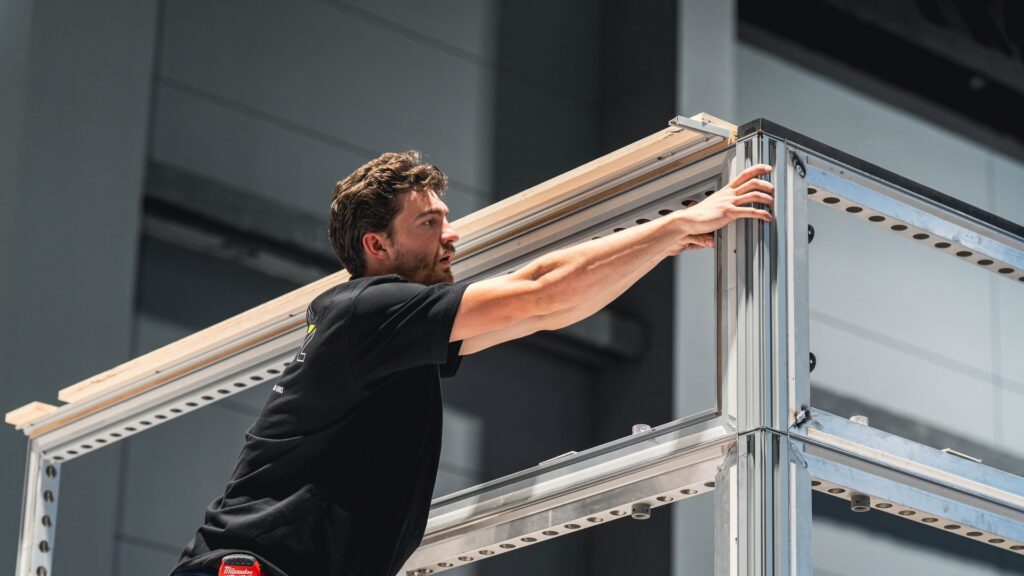
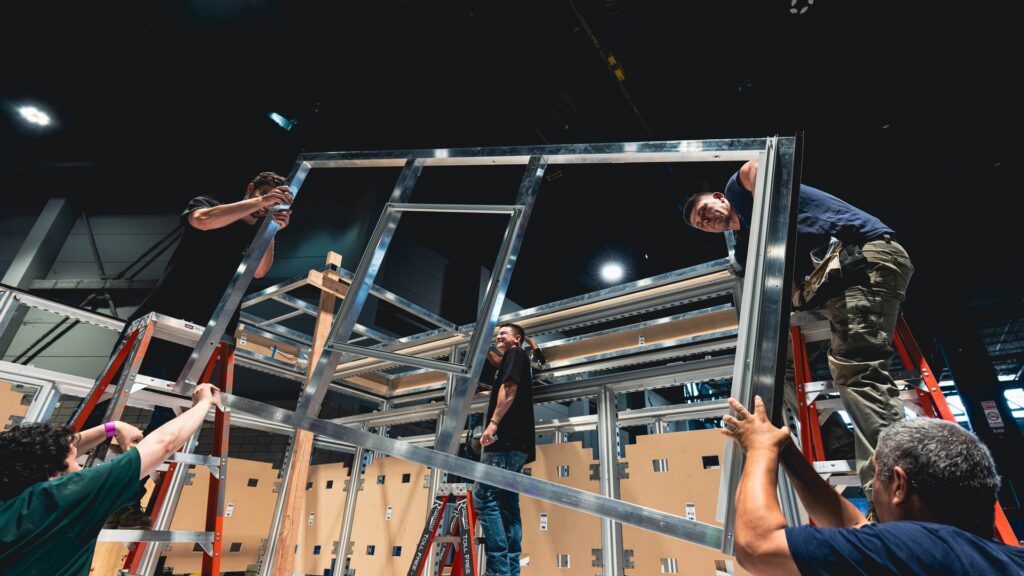
Booth installation and dismantlement are critical to ensuring a smooth setup and breakdown process. Professional installation and dismantle (I&D) services, such as those provided by All Exhibit Solutions, can help streamline this process and prevent costly delays.
Labor costs for I&D can vary based on the complexity of the booth design, the time required for assembly, and union regulations at the venue. Some venues have strict rules regarding the use of outside labor, which can lead to additional fees if not carefully planned.
To manage costs, work with experienced providers who are familiar with the venue’s regulations and timelines. Additionally, detailed pre-show planning can minimize the risk of last-minute changes that could increase labor expenses. Investing in professional I&D services ensures your booth is ready on time and dismantled efficiently, allowing you to focus on engaging with attendees.
Shipping and Logistics
Transporting your trade show booth and materials can introduce hidden costs if not carefully managed. Logistics expenses include freight charges, drayage (moving items from the loading dock to the booth space), and storage fees.
Shipping costs depend on the size and weight of your materials, as well as the distance they need to travel. Consolidating shipments or opting for lighter materials can help reduce freight expenses. Drayage fees, often calculated by weight, can quickly add up, so it’s essential to understand the venue’s pricing structure.
Planning shipping schedules well in advance can also prevent rush fees and minimize the risk of damaged or lost items. Partnering with a logistics provider that specializes in trade shows can help navigate these challenges and ensure your materials arrive on time and in good condition.
Marketing and Promotions
Marketing and promotional activities are vital to driving traffic to your booth and generating leads. While digital marketing plays a significant role in pre-show promotion, on-site materials and giveaways are equally important.
Allocate a portion of your trade show budget to branded materials such as banners, brochures, and promotional items. Engaging booth designs, interactive displays, and multimedia presentations can further captivate attendees and create a memorable experience.
Additionally, consider investing in targeted advertising before the event to build anticipation and encourage attendees to visit your booth. Social media campaigns, email newsletters, and partnerships with event organizers can enhance your visibility and maximize your marketing impact.
Staffing and Travel Expenses
Staffing your booth with knowledgeable and engaging representatives is essential for a successful trade show experience. However, travel, lodging, and meal expenses can quickly accumulate.
When planning your budget, account for the number of staff members required to manage the booth effectively. Consider whether to bring in-house team members or hire temporary staff from the local area. Hiring locally can reduce travel costs and ensure you have enough personnel to cover breaks and engage with visitors.
Training is another important factor. Well-trained staff are better equipped to answer questions, demonstrate products, and collect leads, all of which contribute to a higher ROI. Set aside funds for pre-show training sessions to ensure your team is prepared to represent your brand effectively.
On-Site Services and Utilities
Trade show venues often charge for on-site services and utilities such as electricity, Wi-Fi, and audiovisual equipment. These services are essential for powering displays, lighting, and interactive elements within your booth.
Review the venue’s service catalog to understand the associated costs and budget accordingly. In some cases, bundling services or negotiating packages can help reduce expenses. Additionally, ensure you have contingency plans in place for technical difficulties or unexpected equipment needs.
Cleaning and security services may also be necessary, depending on the nature of your exhibit. Keeping the booth clean and organized throughout the event enhances the visitor experience and reflects positively on your brand.
Contingency and Miscellaneous Costs
No matter how carefully you plan, unforeseen expenses are inevitable. Allocating a portion of your budget to contingency costs can provide peace of mind and financial flexibility.
Unexpected expenses might include emergency repairs, last-minute graphic changes, or additional promotional materials. By planning for these contingencies, you can avoid scrambling for resources or exceeding your overall budget.
Post-Show Follow-Up and Analysis
The trade show experience doesn’t end when the event concludes. Following up with leads and analyzing the effectiveness of your participation are crucial for maximizing ROI.
Budget for post-show activities such as lead management, CRM software, and performance analysis tools. Sending personalized follow-up emails or promotional offers can help nurture leads and convert them into loyal customers.
Analyzing the success of your booth through metrics such as foot traffic, lead conversion rates, and overall engagement provides valuable insights for future trade shows. Continuous improvement based on these insights can lead to more successful events and better budget management over time.
Planning and executing a successful trade show requires careful budgeting across multiple categories. From booth space and design to staffing, logistics, and post-show follow-up, every aspect plays a vital role in achieving a positive ROI.
By working with experienced professionals like All Exhibit Solutions for booth installation and dismantlement, businesses can streamline the process and focus on what matters most—connecting with potential clients and growing their brand. A well-crafted budget not only prevents overspending but also ensures a seamless and productive trade show experience. Contact us today and ensure your exhibit stands out on the floor.
Recommended Articles
Trade Show Booth Rentals: Costs & What’s Included
It is worth asking how much of the rental inventory is genuinely reconfigurable, because that single answer shapes what you can do across a season. Many rental systems are modular by design, which...

Brendan Cogbill
Common Trade Show Rejection Reasons (and How to Avoid Them)
It is also worth separating the two kinds of no you might receive. A design rejection happens before the show, when your submitted plan conflicts with the rules, and it is the cheaper problem because...
Brendan Cogbill
Top Pop-Up Display Ideas for Your Exhibition Booth
Audience matters as much as venue size. A pop-up aimed at engineers and technical buyers can lean into detailed product imagery and a demo screen, while one built for a consumer-facing event might...
Brendan Cogbill
How to Choose a Trade Show Booth Company You Can Trust
However impressive a design looks in a rendering, it only matters if it goes up correctly, on time, and looking exactly as promised. Installation and dismantle is where every other decision is...
Brendan Cogbill
Inline vs. Island Booths: What Is an Inline Booth and Which Is Right for You?
The configuration you choose ripples straight through your budget and your build. Beyond the space rental itself, islands and peninsulas usually require more material, more complex structures, and...
Brendan Cogbill

Exhibit Management 101: Running Your Trade Show Program Like a Pro
A single trade show is a project. A year of trade shows is a program, and the difference between the two is exhibit management. When a company exhibits a few times a year, the work tends to be...
Brendan Cogbill
What Is Suitcasing at Trade Shows, and How Do You Stop It?
The deepest protection against suitcasing is not a rule; it is a presence so strong that drifting away from it feels like missing out. A well-designed, well-built, and well-staffed booth pulls...
Brendan Cogbill
What a Strong I&D Partner Actually Saves You
On paper, installation and dismantle looks like a line item, a cost to minimize on the way to the part of the budget that feels more important. In practice, the quality of your labor partner quietly...