Common Trade Show Rejection Reasons (and How to Avoid Them)

Peter William
- Introduction
- Why Exhibits Get Flagged in the First Place
- Height, Setback, and Line-of-Sight Violations
- Rigging, Hanging Signs, and Structural Sign-Off
- Fire Safety and Material Certifications
- Electrical and Technical Compliance
- Missing Paperwork and Blown Deadlines
- The Small Details That Get Flagged Late
- How to Keep Your Plan Approval-Ready
Introduction
There are few worse emails to open three weeks before a show than the one telling you your booth design has not been approved. The layout you signed off on, the graphics already in production, the schedule you built around them: all of it suddenly needs to change, and the calendar does not pause while you sort it out. The frustrating part is that nearly every rejection traces back to a rule that was published months earlier, in a document most exhibitors skim rather than read.
Show organizers are not hunting for reasons to say no. They enforce display rules to keep the floor safe, fair, and navigable for everyone who paid for space. Once you understand the handful of categories those rules fall into, staying approved becomes routine rather than stressful. Below are the most common trade show rejection reasons, along with the exhibitor tips that keep a plan moving forward instead of back to the drawing board.
Why Exhibits Get Flagged in the First Place
Nearly every show publishes a set of display rules and regulations, and most are built on the same widely used industry guidelines. They govern how tall you can build, how far your structure must sit from the aisle, what can hang overhead, and which materials are permitted. When a design conflicts with any of it, organizers flag the plan and ask for changes.
In practice, rejections cluster into three buckets: dimensional violations, safety and certification gaps, and paperwork that arrived late or never arrived at all. None of them require creative genius to avoid. They require reading the manual early and planning backward from the deadlines inside it. It also helps to remember that a flag is rarely a flat no. It is usually a request to modify, with a due date attached, and the real cost lands in redesign fees, reprinted graphics, and rush freight.
It is also worth separating the two kinds of no you might receive. A design rejection happens before the show, when your submitted plan conflicts with the rules, and it is the cheaper problem because you still have time to revise. An on-site citation happens during setup, when a fire marshal or floor manager sees something that does not comply, and it is far more disruptive because the fix has to happen immediately with whatever materials and hours you have left. Almost every on-site citation could have been a desk-side revision weeks earlier.
Height, Setback, and Line-of-Sight Violations
This is the single most common category. Linear and inline spaces carry strict limits: the back wall is typically capped around eight feet, and anything positioned in the forward half of the booth usually has to stay low, often around four feet, so you are not walling off the exhibitors beside you. Island spaces earn more height and more freedom, but they come with their own ceilings and setback requirements.
The fix is almost always to confirm your booth configuration before design begins rather than after. A concept drawn for an island will not survive contact with an inline rule set, and finding that out late is expensive. Our breakdown of inline vs. island booths walks through how the configurations differ and what each one actually allows.
Rigging, Hanging Signs, and Structural Sign-Off
Overhead elements draw scrutiny for good reason. Hanging signs are frequently restricted to island spaces only, with a maximum height measured to the top of the sign, and they generally must be installed by the venue’s approved rigging crews rather than by your own team.
Larger or more ambitious structures raise the bar further. Double-deck exhibits, tall towers, and anything bearing significant load typically require stamped engineering drawings submitted for approval by a published deadline. Miss that window and the structure does not go up, regardless of how good the design is.
Corner and peninsula spaces deserve extra attention here, because their rules sit between the two extremes and are easy to misread. A corner booth opens on two sides and often carries different sightline expectations than a standard inline space, while a peninsula open on three sides may allow more height but still restrict what you can place along the shared back wall. When in doubt, ask show management to confirm your space type in writing before the design is finalized.
Fire Safety and Material Certifications
Fire marshals walk show floors, and they do inspect. Fabrics, drapes, banners, and many props must be flame retardant, and you are often expected to have the certificates available on site rather than filed somewhere back at the office. Untreated materials are a routine reason a booth gets flagged during setup.
The same inspection covers how your space is kept. Blocked egress, materials stacked where they should not be, and empty cartons stored inside the booth instead of removed are all easy citations. Keeping the floor clear is both a safety requirement and simply a better look for visitors.
Electrical and Technical Compliance
Venues have specific rules about how power is run: approved cords, proper grounding, load limits, and orders placed in advance with drops marked in the right locations. Improvised wiring, daisy-chained power strips, and equipment that does not meet the venue’s standard are all common reasons a setup gets stopped partway through.
Technical requirements deserve the same planning as the structure itself. Ordering electrical early, mapping exactly where power needs to land, and confirming your AV gear meets venue standards prevents the kind of on-site scramble that eats the hours you set aside for detailing the booth.
Missing Paperwork and Blown Deadlines
This is the category that catches otherwise well-prepared teams. Booth plan submissions, certificates of insurance, and outside-labor notifications all carry firm deadlines. The one that surprises exhibitors most often is the Exhibitor Appointed Contractor form: when you bring in a labor partner who is not the show’s general contractor, most shows require advance notice plus proof of insurance by a set date.
Miss that filing and your crew can be turned away at the dock even though the booth design itself was approved months ago. At All Exhibit Solutions, handling that paperwork is a standard part of the job rather than an afterthought, which is one of the quieter reasons an experienced installation and dismantle partner earns its place on the project.
The Small Details That Get Flagged Late
Some issues only surface once the booth is standing. Exposed, unfinished backs of walls facing a neighboring exhibit usually must be finished or covered. Demos that spill into the aisle, sound levels that carry into adjacent booths, and lighting aimed where it does not belong all draw complaints and, eventually, a request from show management.
Individually these are minor. Collectively they are the ones discovered during setup, when there is the least time and the fewest options to fix them. A quick review of the plan against the show’s rules, before anything ships, removes almost all of them.
Build a single checklist of every document the show requires and the date each one is due, then assign an owner to each line. Insurance certificates in particular often need specific coverage limits and the show or venue named as an additional insured, which takes time to obtain from your carrier. Requesting those documents the week you book the space, rather than the week before you travel, removes an entire category of last-minute risk.
How to Keep Your Plan Approval-Ready
The habits that prevent rejections are unglamorous and highly effective. Read the exhibitor manual the week it arrives. Write every deadline into one calendar. Submit your booth plan early, because early submission buys you time to revise if something comes back. Keep certificates, insurance, and approvals together where your on-site lead can produce them on request. Reviewing the rules alongside your pre-show installation checklist keeps compliance and logistics on the same timeline.
Experience is the other shortcut. A team that works these venues year-round knows which rules get enforced strictly and where plans typically get caught, and that pattern recognition is hard to replicate from a manual alone. You can learn more about the All Exhibit Solutions team and the full range of services we provide, and if you would like a second set of eyes before you submit, we are glad to have someone review the plan with you well ahead of your deadline.
Recommended Articles
Top Pop-Up Display Ideas for Your Exhibition Booth
Audience matters as much as venue size. A pop-up aimed at engineers and technical buyers can lean into detailed product imagery and a demo screen, while one built for a consumer-facing event might...

Brendan Cogbill
How to Choose a Trade Show Booth Company You Can Trust
However impressive a design looks in a rendering, it only matters if it goes up correctly, on time, and looking exactly as promised. Installation and dismantle is where every other decision is...
Brendan Cogbill
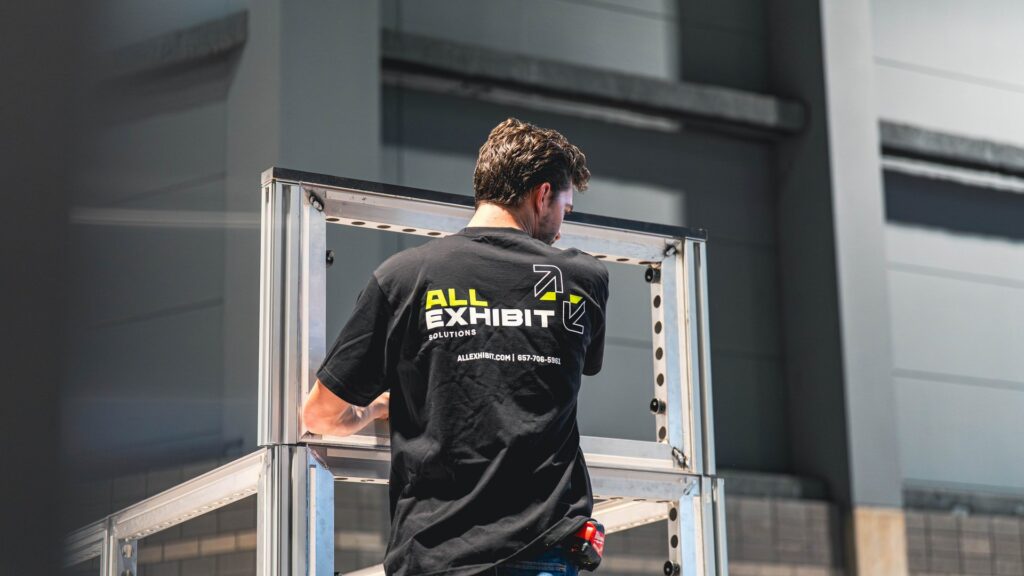
Inline vs. Island Booths: What Is an Inline Booth and Which Is Right for You?
The configuration you choose ripples straight through your budget and your build. Beyond the space rental itself, islands and peninsulas usually require more material, more complex structures, and...
Brendan Cogbill

Exhibit Management 101: Running Your Trade Show Program Like a Pro
A single trade show is a project. A year of trade shows is a program, and the difference between the two is exhibit management. When a company exhibits a few times a year, the work tends to be...
Brendan Cogbill
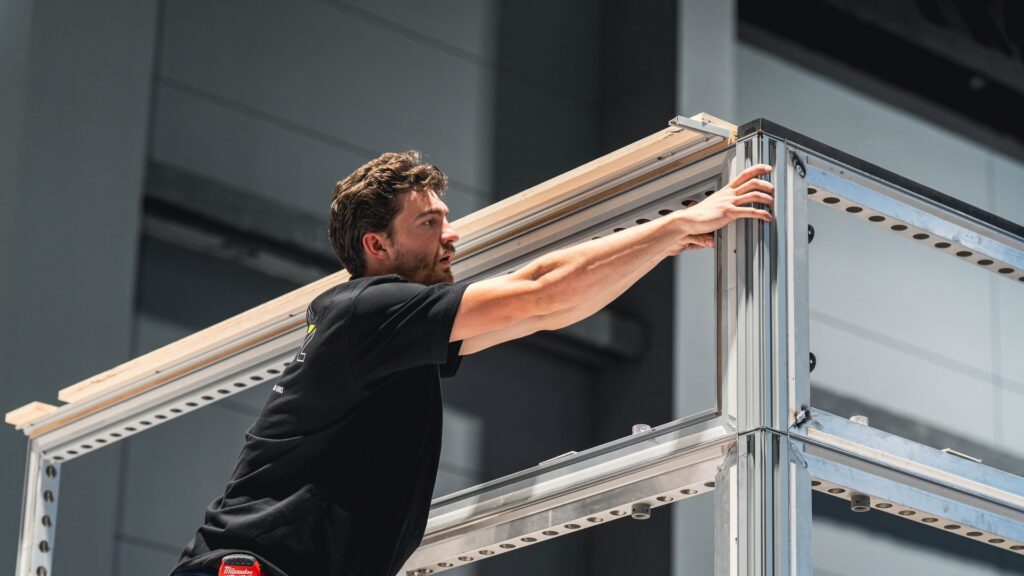
What Is Suitcasing at Trade Shows, and How Do You Stop It?
The deepest protection against suitcasing is not a rule; it is a presence so strong that drifting away from it feels like missing out. A well-designed, well-built, and well-staffed booth pulls...
Brendan Cogbill
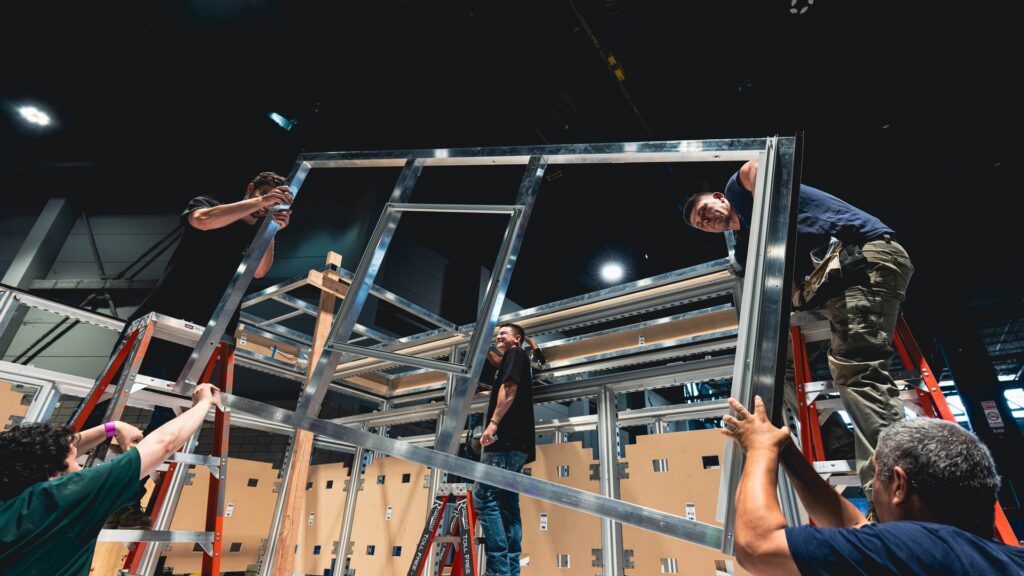
What a Strong I&D Partner Actually Saves You
On paper, installation and dismantle looks like a line item, a cost to minimize on the way to the part of the budget that feels more important. In practice, the quality of your labor partner quietly...
Brendan Cogbill
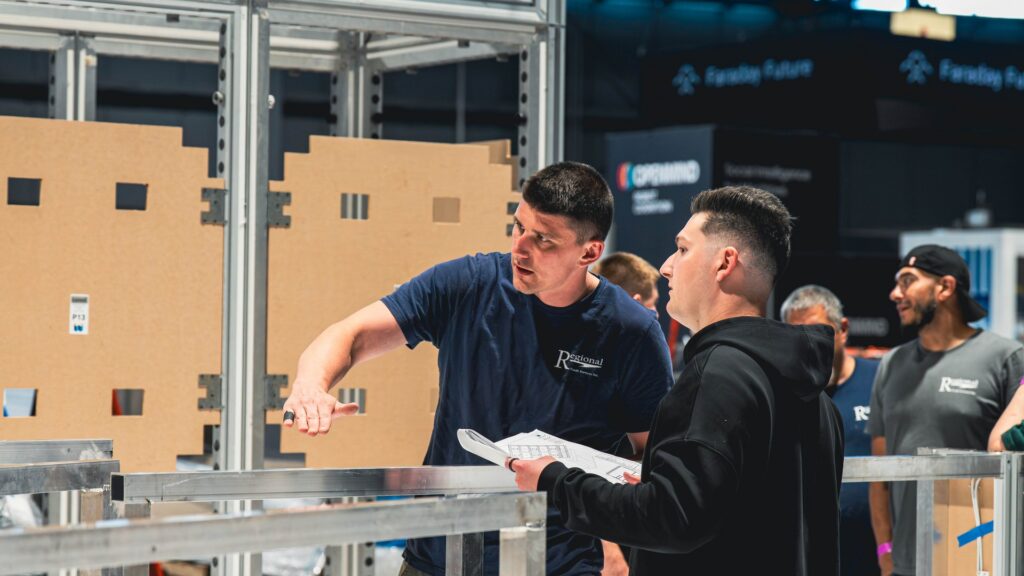
How to Build a Realistic Install and Dismantle Schedule
Share the schedule before anyone travels, not when the crew is standing on the dock. A short briefing that walks the team through the sequence, the milestones, and each person’s role turns a...
Brendan Cogbill
Inside the Custom Trade Show Exhibit Design Process
A beautiful exhibit is only as good as its execution on site. The final stretch covers crating, freight, material handling, and the install itself, all timed against the show’s move-in...